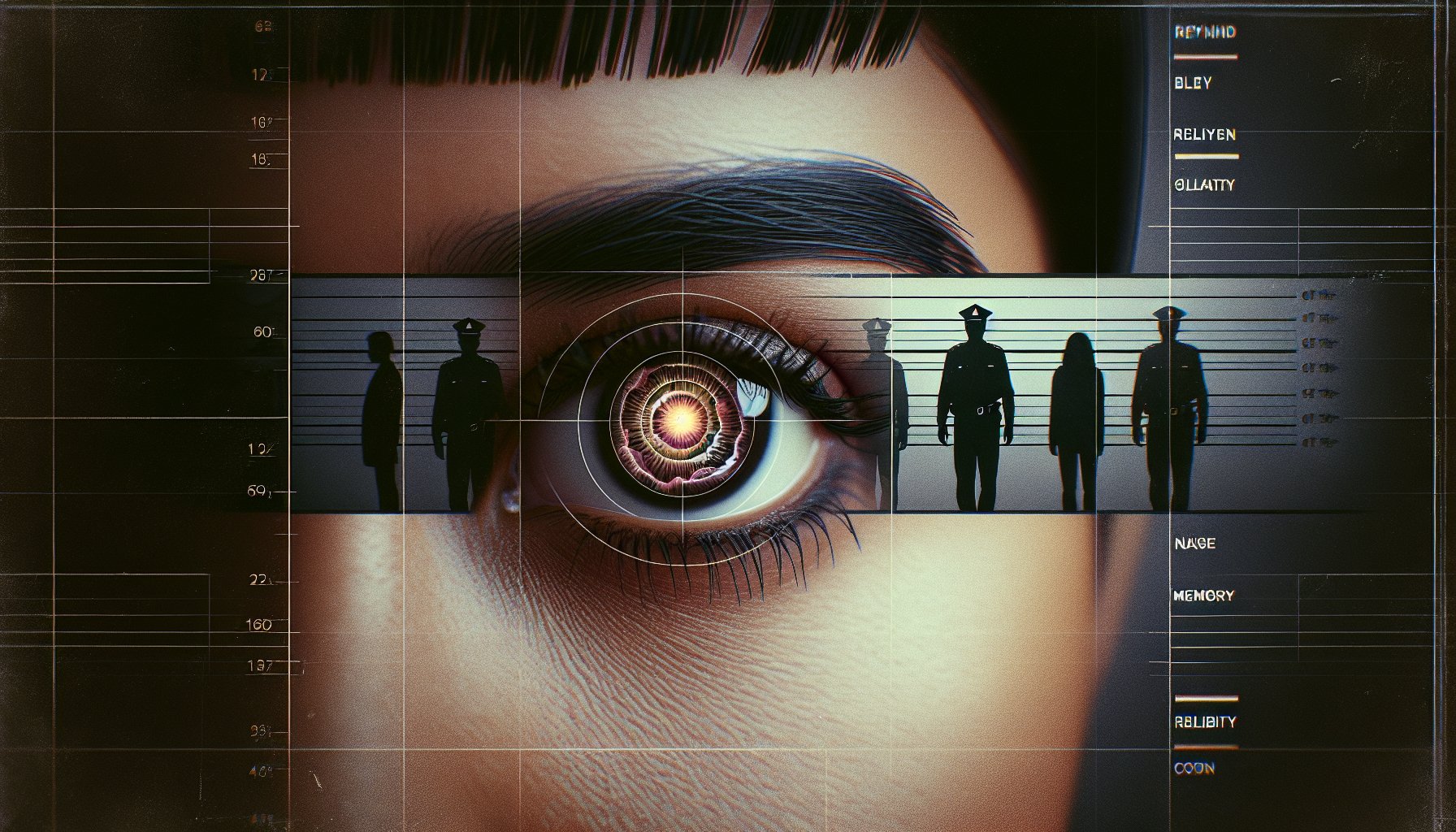
What Is an Eyewitness?
Definition and scope
An eyewitness is a person who directly saw the event as it happened. The person can give an initial recall.
Eyewitness testimony is a form of lay evidence. It comes from a person who is not a trained expert. It can be affected by memory errors and bias.
The reliability of an eyewitness can vary. It depends on the situation and on how the report is told.
Eyewitness vs. expert testimony
Eyewitness testimony is lay evidence that relies on memory. It describes what a person saw or heard during an event.
Experts can explain memory science and bias. They help show how memory can be wrong.
Experts can help interpret uncertain details and distinguish perception from recollection. They can tell what a person saw and what they later remembered.
Judges and juries should differentiate between eyewitness accounts and expert interpretations. They should use eyewitness statements carefully and listen to expert explanations.
Roles in legal cases
Eyewitnesses can influence the direction of an investigation. They can affect how evidence is gathered. They can influence the final verdict.
Supporting evidence makes the case stronger. It helps show that the facts are true. A single eyewitness ID can be risky. One ID alone may be wrong or biased.
understanding-cuts-a-comprehensive-guide/”>Understanding limits helps ensure fair handling in trials. People should know what eyewitnesses can and cannot do. This helps judges and juries use evidence fairly.
Memory and Perception: How Eyewitnesses Remember
Memory stages: encoding, storage, retrieval
Memory passes through four stages: encoding, consolidation, storage, and retrieval. Each stage can distort what happened. That makes memory imperfect.
Perceptual cues shape what gets encoded in memory. What we notice is more likely to be stored. Attention helps pick the important details.
Over time, retrieval can alter or fill in missing details. If you try to recall a memory, your mind may add facts that were not there. This can change what you remember.
Bias, distraction, and stress can distort encoding and storage. Memories can fade while they are stored, and retrieval can mix things up. Errors can creep in at any stage.
To guard against errors, pay attention when you experience events. Check details with notes or with other people.
Factors that affect memory accuracy
Stress, lighting, duration, and weapon focus influence memory encoding. These factors change how we take in and store details.
Stress affects memory encoding. In a tense moment, people remember some details and miss others.
Lighting affects what we see. Dim light, bright light, or glare can hide details and make memory less accurate.
Duration matters. Longer viewing can help memory, but very short views may miss details.
Weapon focus changes attention. The sight of a weapon pulls attention to the gun and reduces memory for other details.
Cross-race effects and biases can reduce correct identification. People may identify someone from their own race more easily.
Fatigue, intoxication, and distraction degrade recall. Being tired, under the influence, or distracted makes it harder to remember events.
Memory distortion and reconstruction
Memory can change. Our brains reshape events. Misinformation effects and imagination inflation can modify later reports. What you hear after an event can influence what you remember.
Confidence and accuracy are not perfectly correlated. People may feel sure about a memory that is wrong. Being confident does not always mean you are right.
Repeated questioning or exposure to new information can distort memories. Asking questions again can push your memory to change. New information can alter how you recall the event.
Eyewitness Identification: Procedures and Pitfalls
Lineups and photo arrays: types and rules
Lineups and photo arrays help identify people. They are used in investigations. There are two main formats. One uses real people in the lineup. The other uses photos.
Lineups can be either simultaneous or sequential. In simultaneous lineups, all people are shown at once. In sequential lineups, one person is shown at a time.
Double-blind administration minimizes researcher influence. In this setup, the person giving the lineup does not know who the suspect is. This makes the process fair for the witness and for the investigation.
Sequential lineups reduce simultaneous comparison biases. By showing one person at a time, witnesses do not compare all faces at once. This lowers the chance of misidentification.
Proper fillers and fair similarity reduce misidentifications. Fillers are people who look like the suspect. They should match the suspect in key features so no suspect stands out.
Rules guide these lineups. The rules aim to be fair and clear. They protect both witnesses and suspects.
Influence of administration on accuracy
Non-blind administrators give feedback that inflates confidence.
Leading questions or suggestive language increase errors.
We standardize and document instructions.
Confidence and accuracy: What matters
Confidence and accuracy matter in identification. High confidence at identification does not guarantee accuracy. A person can feel sure and still be wrong. Memory can fade and bias can slip in.
Juries often misinterpret confidence. They may think a sure ID proves it is true. Confidence is not proof of accuracy. Feeling sure does not mean the memory is correct.
Measuring confidence immediately after identification improves data quality. Ask the witness to rate confidence right after the ID. This timing helps researchers collect better data. Then they compare confidence with accuracy.
Legal Implications and Safeguards
Impact on court outcomes and verdicts
Wrongful convictions have occurred due to mistaken IDs.
Jury decisions can hinge on eyewitness memory even without corroboration.
Assessing eyewitness reliability is essential for fair trials.
Best practices for investigators and prosecutors
Investigators should use standardized, non-suggestive procedures. This keeps the process fair and clear.
Document every step of the investigation. Maintain the chain of custody for lineup materials, such as photos, videos, and notes.
Incorporate expert memory testimony to explain the limits of memory. An expert can show how memory can change over time or under stress.
Jury education and expert testimony
Educating juries about memory limits reduces bias.
Expert testimony clarifies factors affecting accuracy.
Jury instructions should emphasize reliability over confidence.
Improving Eyewitness Reliability: Techniques and Tools
Procedural reforms: sequential lineups, blind administration
Sequential, blinded lineups reduce false identifications.
Police departments adopt standardized procedures nationwide.
Regular audits ensure compliance and improve outcomes.
Witness preparation and interviewing techniques
We prepare before the interview. We explain the plan to the witness. We choose a quiet, comfortable place. We keep the pace calm. We show respect and fairness.
Cognitive interview techniques help the witness share more accurate details. They use careful, nonleading questions. They encourage the witness to recall the event from different times and from different angles. This approach avoids suggesting an answer.
Open-ended prompts let the witness tell more. Start questions with what, where, when, who, or how. Ask for descriptions, not yes-or-no answers. Non-leading questions improve recall and accuracy.
Avoid interrupting the witness. Let the person finish each thought. Ask only a few questions at a time to avoid overload. Silence helps memory come back.
Prepare by explaining what will happen. Review notes and stay neutral. Record the statements clearly. Ask the witness to confirm what you heard.
Technology and training for eyewitnesses
Training programs help witnesses understand memory limits. They show how memory works in the brain. People can forget details or mix things up. Training uses simple ideas and short lessons. It teaches what to notice during an event. It helps witnesses tell the truth later.
Video and VR-based scenario practice strengthens recall. Video shows scenes that feel real. VR lets witnesses practice many different scenes. Practice can make details more accurate. It helps them answer calmly and clearly.
Decision-support tools assist investigators without bias. These tools help find patterns in clues. They use clear rules and avoid guessing. They guide interviews and notes. They help keep the process fair.
Leave a Reply