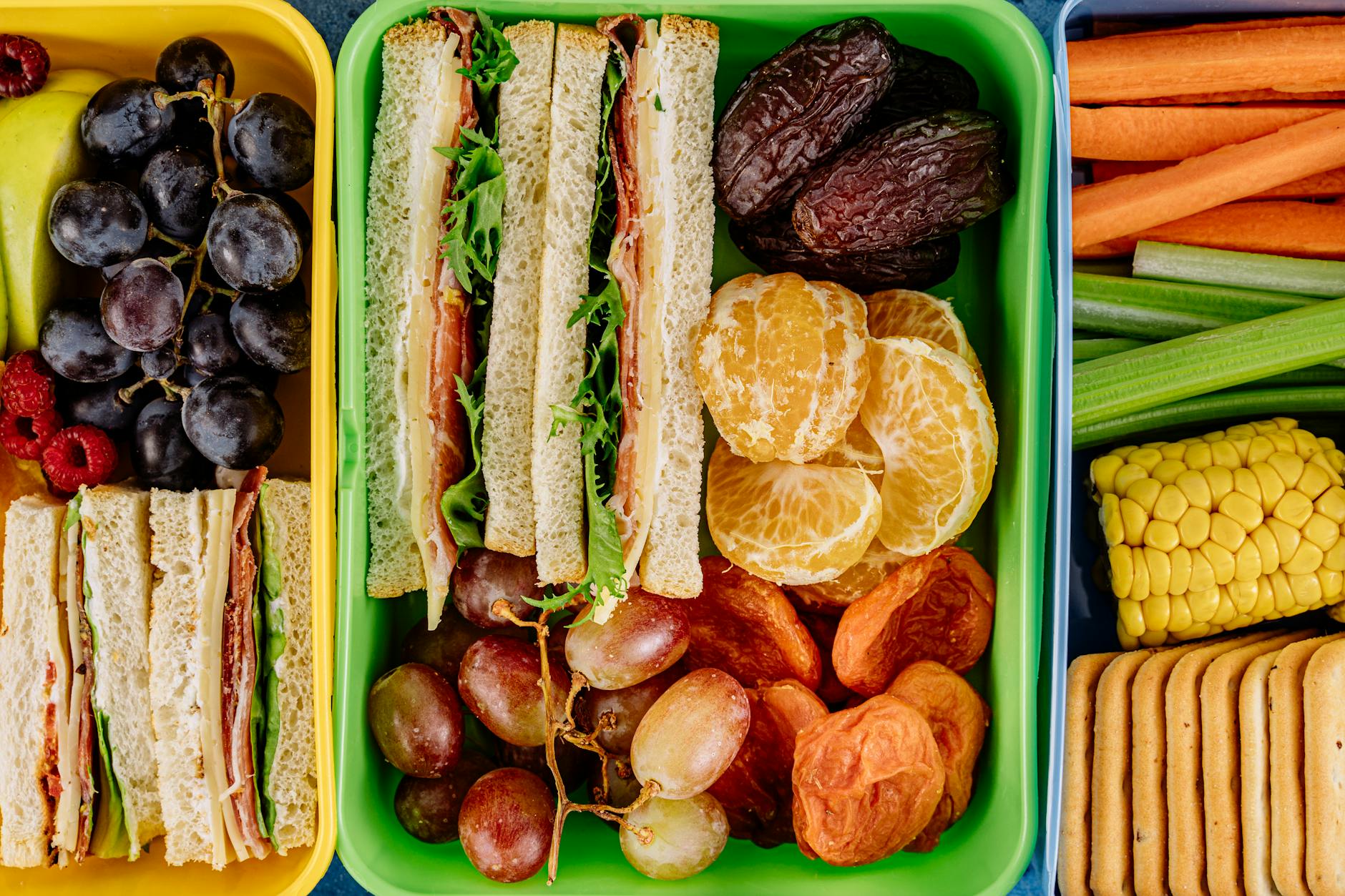
Food: Definition, Types, Nutrition Basics, and Sustainable Choices
Food is any substance consumed to provide energy, nutrients, and support bodily functions. This definition avoids jargon and ambiguity, making it easily understood. examples include apples, rice, and milk.
Components and Categories of Food
Understanding the components and categorization of food is crucial for making informed dietary choices.
Macronutrients
- Carbohydrates
- Proteins
- Fats
Micronutrients
- Vitamins
- Minerals
- Fiber
- Water
Categories of Foods
- Fruits
- Vegetables
- Grains
- Proteins
- Dairy
- Fats
- Beverages
Many foods fall into multiple categories (e.g., yogurt with added fruit blends Dairy and Fruits).
| Food | Primary Category | Other Category(s) |
|---|---|---|
| Yogurt with added fruit | Dairy | Fruits |
| Salad with olive oil | Vegetables | Fats |
| Whole-grain toast with peanut butter | Grains | Proteins, Fats |
Processing, Safety, and Quality
Food processing levels range from whole or minimally processed to processed and ultra-processed. Whole or minimally processed foods are closest to their natural state. Processed foods are altered to improve flavor, texture, or shelf life. Ultra-processed foods are highly manufactured with many additives and little natural content.
Safety and quality depend on handling, storage, temperature control, and freshness. Quality indicators include freshness, clear labeling, certifications, and hygienic production practices.
Nutrition Basics and Daily Intake
A balanced diet provides daily nutrient needs. Aim for variety, balance, and moderation. The plate method is a useful visual guide: half non-starchy vegetables and fruits, a quarter lean protein, and a quarter whole grains.
Read food labels carefully, paying attention to added sugars, sodium, and fortification. Tailor dietary guidance to life stages (children, pregnancy, aging) with professional input when needed. [citation needed]
Environmental Impact and Sustainability
Food systems significantly impact emissions, land use, water demand, and biodiversity. Sustainable choices include choosing seasonal, plant-forward meals, sourcing locally, and minimizing waste. [citation needed]
Balance cost, accessibility, and impact when making sustainable choices. [citation needed]
Practical Tips and Quick Applications
Simple steps to improve diet and sustainability include meal planning, creating a grocery list, and prepping ingredients in advance.
Visual cues, such as a colorful plate, can remind you to diversify nutrient intake.
Start with small, sustainable changes and gradually introduce new habits.
Comparison Table: Whole Foods vs. Processed Foods vs. Fortified/Ultra-Processed Foods
| Aspect | Whole Foods | Processed Foods | Fortified/Ultra-Processed Foods |
|---|---|---|---|
| Definition and scope | Minimally processed, close to natural state | Altered for convenience or shelf-life | Engineered with additives, synthetic ingredients |
| Nutritional quality | Higher in fiber, micronutrients | Variable nutrient profiles | Often high in added sugars, sodium, unhealthy fats |
| Health implications | Supports nutrient adequacy and satiety | Can support convenience; frequent reliance may challenge nutrient balance | Commonly linked to less favorable nutrient patterns |
| Environmental impact | Less packaging and processing | Increased packaging, energy, and water use | Often more packaging and energy-intensive |
| Examples | Fruits, vegetables, legumes, whole grains | Canned beans, plain yogurt, simple sauces | Fortified cereals, ready-to-eat meals |
Pros and Cons of Common Dietary Approaches
| Dietary Approach | Pros | Cons |
|---|---|---|
| Mediterranean-style diet | Well-supported for heart health and sustainability | Can be costly or harder to access |
| Plant-based/vegetarian approach | High fiber, nutrient density, potential health benefits | Requires planning for vitamin B12 and complete protein |
| Balanced omnivorous pattern | Flexibility and broad food choice | Risk of unhealthy options if not planned or portion-controlled |
| Minimal processing/whole-foods focus | Nutrient density, satiety, fewer additives | More time, planning, and sometimes higher cost |
Leave a Reply