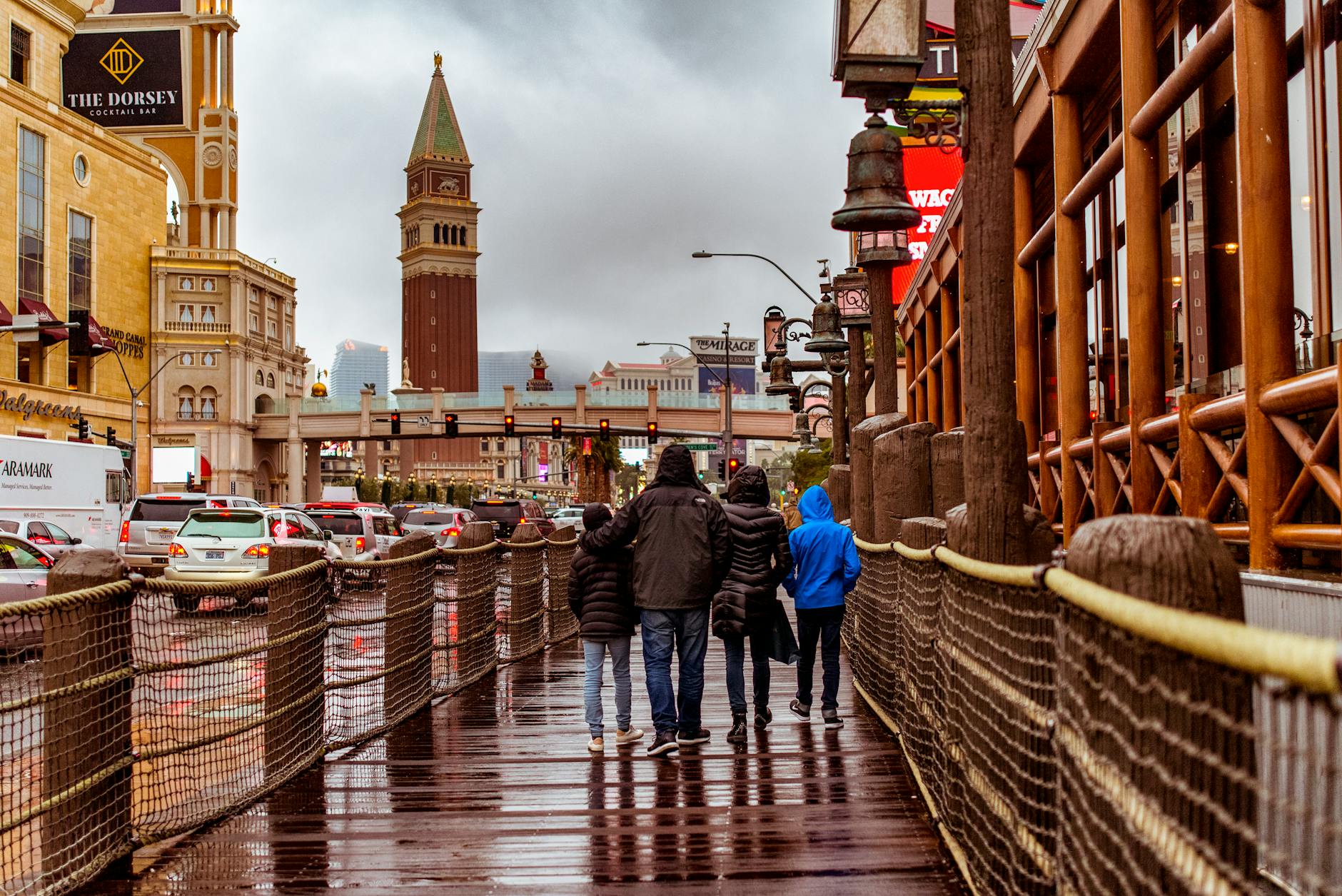
Las Vegas Weather by Season: A Practical Guide for Travelers
Las Vegas boasts an arid desert climate, characterized by extreme summer heat and mild winters. Most rainfall occurs during winter and spring, averaging around 4 inches annually (Source: NOAA normals).
Summer temperatures frequently surpass 100°F (38°C), while winter nights can dip into the 30s°F (around 0–4°C).
From July to September, the monsoon season brings short, intense thunderstorms and localized rainfall, often in the late afternoon or evening.
Packing Essentials:
- Summer: Breathable fabrics, sun protection (SPF 30+ sunscreen, wide-brimmed hat, sunglasses), and ample hydration are crucial.
- Winter: Pack windproof layers to combat chilly temperatures.
- Spring/Fall: Layering is essential to adapt to temperature fluctuations throughout the day.
Season-by-Season weather-101-current-conditions-seasonal-trends-and-severe-weather-preparedness/”>weather-seasonal-averages-severe-weather-patterns-and-practical-planning-for-residents-and-visitors/”>weather-guide-seasonal-averages-extreme-temperatures-and-planning-for-outdoor-activities-in-east-tennessee/”>weather Overview
Spring Weather (March–May)
Spring in Las Vegas offers mild days, comfortable nights, and gentle breezes, perfect for outdoor activities. Here’s a detailed look:
| Condition | Typical Range | Notes |
|---|---|---|
| Average daytime highs | 68–88°F (20–31°C) | Temperatures steadily increase from March to May. Plan for layering. |
| Average overnight lows | 45–60°F (7–16°C) | Cool evenings require a light jacket. |
| Total seasonal rainfall | 0.5–1.2 inches | Rain showers are sporadic; expect mostly dry to mild days as the season progresses. |
| Humidity | Low to moderate | Mornings and evenings are comfortable for outdoor activities. |
| Wind | Light to moderate | Prepare for cooler mornings and warmer afternoons. |
This pleasant climate encourages outdoor activities. Plan outdoor activities for late morning or late afternoon for optimal comfort. Keep a light rain layer handy, particularly during early spring.
Summer Weather (June–August)
Summer in Las Vegas is hot, with sunny days, warm nights, and the occasional thunderstorm. Here’s what to expect:
| Aspect | Typical Range | Notes |
|---|---|---|
| Daytime highs | 100–110°F (38–43°C) | Expect bright sun and intense heat; seek shade and sun protection. |
| Overnight lows | 70–85°F (21–29°C) | Evenings remain warm. |
| Seasonal rainfall | 0.8–2 inches total | Mostly occurs from July to September due to monsoonal thunderstorms. |
| Humidity | Generally low | Humidity spikes briefly during storms; radiant heat can make it feel even hotter. |
Packing and Planning: Pack light, breathable clothing (cotton or moisture-wicking fabrics). Don’t forget sunscreen (SPF 30+), a wide-brimmed hat, sunglasses, and ample water. Schedule outdoor plans for early mornings or late evenings.
Fall Weather (September–November)
Fall brings cooler days and crisp nights. Here’s a breakdown:
| Weather Metric | Early Fall | Late Fall | Notes |
|---|---|---|---|
| Avg daytime high | 78–92°F (26–33°C) | 70–80°F (21–27°C) | Daytime temperatures gradually decrease as the season progresses. |
| Avg overnight low | 50–60°F (10–16°C) | 40–50°F (4–10°C) | Evenings become chilly; a light jacket or sweater is recommended. |
| Total seasonal rainfall | 0.2–0.8 inches | 0.2–0.8 inches | Generally drier after monsoon winds subside. |
| Humidity | Comfortable | Comfortable | Evenings can feel crisp. Layered clothing is ideal. |
| Wind | Breezy | Breezy | Air travel is usually unaffected, though desert winds can still occur. |
Dress in layers – light, breathable pieces for daytime and warmer layers for evenings. Plan accordingly, as breezy days are common.
Winter Weather (December–February)
Winters in Las Vegas are mild during the day and cool to cold in the evenings. Layering is key for comfort.
| Indicator | Typical Range | Notes |
|---|---|---|
| Average daytime highs | 50–60°F (10–16°C) | Generally comfortable; a light layer is advisable for breezes. |
| Average overnight lows | 30–40°F (-1–4°C) | Occasional freezing nights are possible. |
| Total seasonal rainfall | 0.5–1 inch | Mostly light rain; higher elevations may see light snowfall affecting visibility. |
| Humidity | Generally low | Mornings might feel slightly damp; evenings require warm layers. |
Packing for winter requires a windproof jacket, insulating layers, scarves, and sturdy, closed-toe shoes.
Seasonal Packing and Planning Guide
Packing Essentials by Season
| Season | Essentials | Tip |
|---|---|---|
| Spring | Breathable fabrics (cotton, linen), light jacket, sunglasses, sunscreen, comfortable walking shoes | Layer up to adapt to temperature swings. |
| Summer | Moisture-wicking clothing, wide-brimmed hat, SPF 30+ sunscreen, sandals or breathable shoes, refillable water bottle | Stay hydrated and protect your skin. |
| Fall | Versatile layers (t-shirts, long-sleeve shirts, light jacket), comfortable walking shoes, light scarf | Mix textures and weights for changing temperatures. |
| Winter | Windproof outer layer, insulating sweater or fleece, gloves and hat, sturdy shoes | Prioritize warmth without bulk. |
Practical Travel Planning Tips
Best times for comfortable weather: Late March–early May and late September–early November offer milder temperatures, ideal for sightseeing.
Prepare for summer heat waves: Hydrate regularly, seek shade, and plan outdoor activities for cooler times of day.
Monsoon season considerations: Pack a rain shell or umbrella, and check local weather forecasts.
Weather by Season: Quick Facts
| Season | Avg High | Avg Low | Rainfall | Packing |
|---|---|---|---|---|
| Spring | 68–88°F | 45–60°F | 0.5–1.2 inches | Layers, light jacket |
| Summer | 100–110°F | 70–85°F | 0.8–2 inches | Sunscreen, hats, hydration |
| Fall | 78–92°F | 50–60°F | 0.2–0.8 inches | Layering pieces |
| Winter | 50–60°F | 30–40°F | 0.5–1 inch | Windproof layer, warm clothes |
Pros and Cons by Season
| Season | Pros | Cons |
|---|---|---|
| Spring | Pleasant temperatures, bloom season, fewer crowds | Potential wind gusts and allergy considerations |
| Summer | Abundant pool and outdoor activities | Extreme heat, higher energy use, air conditioning reliance |
| Fall | Comfortable, steady weather | Early fall can still be warm; occasional monsoon storms |
| Winter | Milder daytime temperatures and lower crowds | Chilly evenings and potential for freezing temperatures near mountains |
Leave a Reply