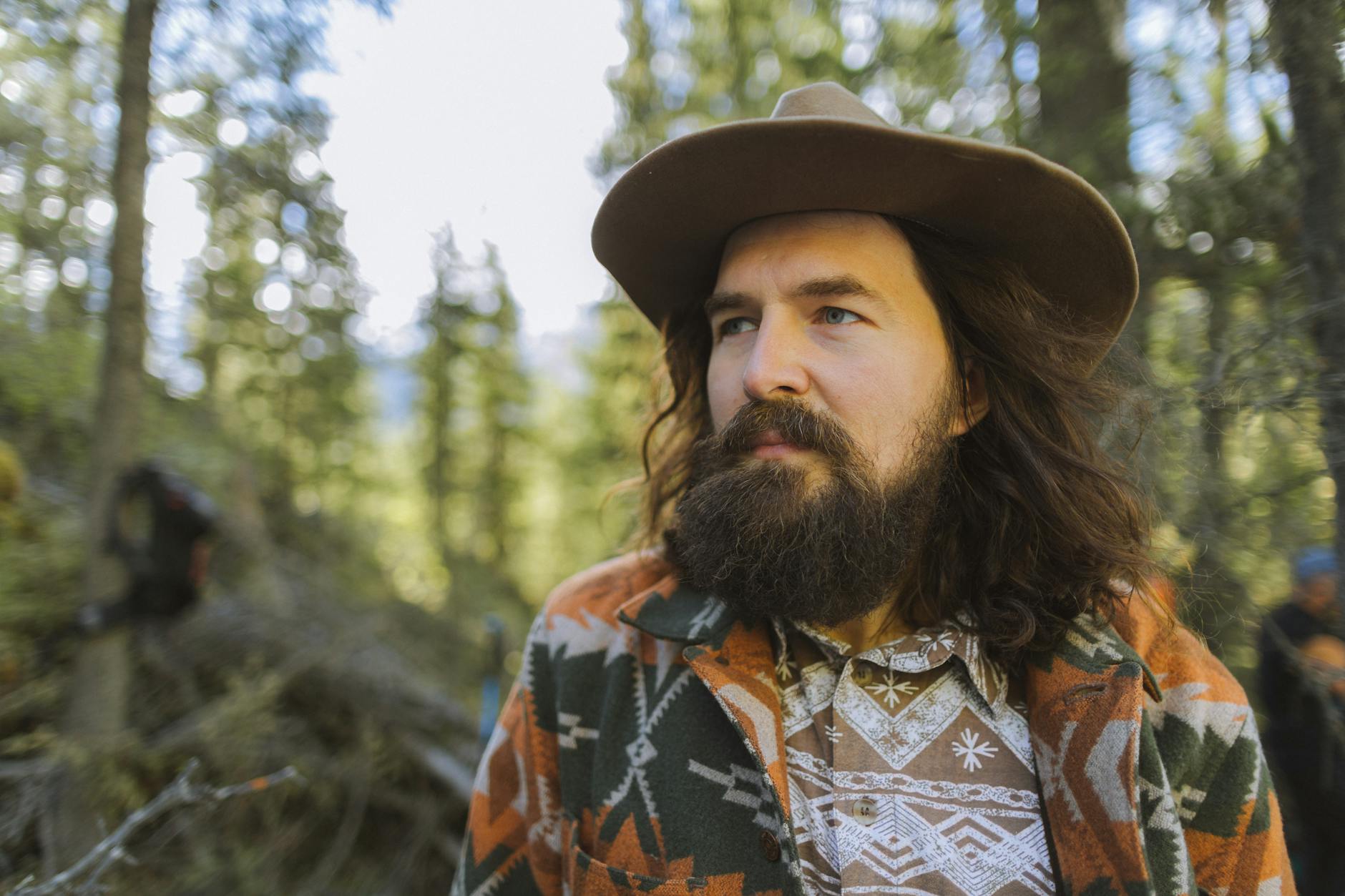
How to Become a Forest Ranger: Training, Requirements, and Career Opportunities
A career as a forest Ranger offers a unique blend of outdoor adventure and public service. But what does it take to land this fulfilling job? This guide/”>guide provides a step-by-step path to becoming a Forest Ranger, covering education, experience, and career progression.
Federal vs. State/Local Roles: A Crucial First Step
Your first decision significantly impacts your path: will you pursue a federal or state/local position? This choice dictates the necessary educational qualifications, application portals, and certifications.
- Federal Roles (e.g., with the US Forest Service): Typically require a bachelor’s degree in forestry, natural resources, wildlife biology, or a closely related field. Applications are submitted through USAJOBS.
- State/Local Roles: Degree requirements vary. Some state agencies may accept a bachelor’s degree in any field with relevant experience or coursework. Check individual state agency websites for specifics.
Education and Certification Requirements
The educational and certification requirements depend heavily on the specific role and employing agency.
| Track | Education & Experience | Certifications and Credentials |
|---|---|---|
| Professional/Ranger | Bachelor’s degree in forestry, natural resources, wildlife biology, ecology, environmental science, or a closely related field. | Basic wildland fire training First aid/CPR GIS/GPS skills Interpretive or outdoor recreation credentials (depending on the specific role) |
| Technical or Support | Associate degree (2 years) in forestry, natural resources, or a related field, plus field experience. | Basic wildland fire training First aid/CPR GIS/GPS skills |
| State/Agency Roles | Bachelor’s degree in any field, supplemented by substantive natural resource coursework or experience. | Requirements vary widely based on the specific state agency and role. Check individual state agency websites for specifics. |
A valid driver’s license and the ability to operate field equipment are also often required.
Gaining Practical Experience
Hands-on experience is crucial for any aspiring Forest Ranger. Here are three effective routes:
- USDA Forest Service Student Internships and Pathways: These paid programs offer mentored experiences within federal agencies. Check USAJOBS and agency websites for details and deadlines.
- State Forestry Internships and Seasonal Technician Roles: State agencies offer field jobs involving tasks like surveying timber stands, monitoring streams, and conducting habitat assessments. This builds practical skills and connects you with local employers.
- Volunteering: Volunteering with land trusts, watershed associations, or conservation districts provides valuable experience in ecosystems, planning processes, and community-led conservation.
Career Progression
A career in Forest Management offers various growth paths:
Entry-Level Paths
Begin as a Forestry Technician or Ranger Assistant, focusing on hands-on fieldwork, data collection, and support for daily forest management tasks.
Mid-Career Specializations
With experience, specialize in areas such as fire management, wildlife resource management, recreation program management, or forest health monitoring.
Senior Roles
Advance to roles like District Ranger, Park Manager, or Fire Management Officer, assuming strategic oversight, team leadership, and broader program accountability.
Salary Expectations
Salaries vary widely depending on factors such as experience, location, and role. While data points vary depending on the source, entry level ranger salaries range from approximately $38,000 to $41,431 annually.
Note: Salary information requires reliable citations for accuracy.
Conclusion
Becoming a Forest Ranger is a challenging yet rewarding career. By following this guide and gaining relevant experience, you can significantly improve your chances of success in this competitive field.
Leave a Reply