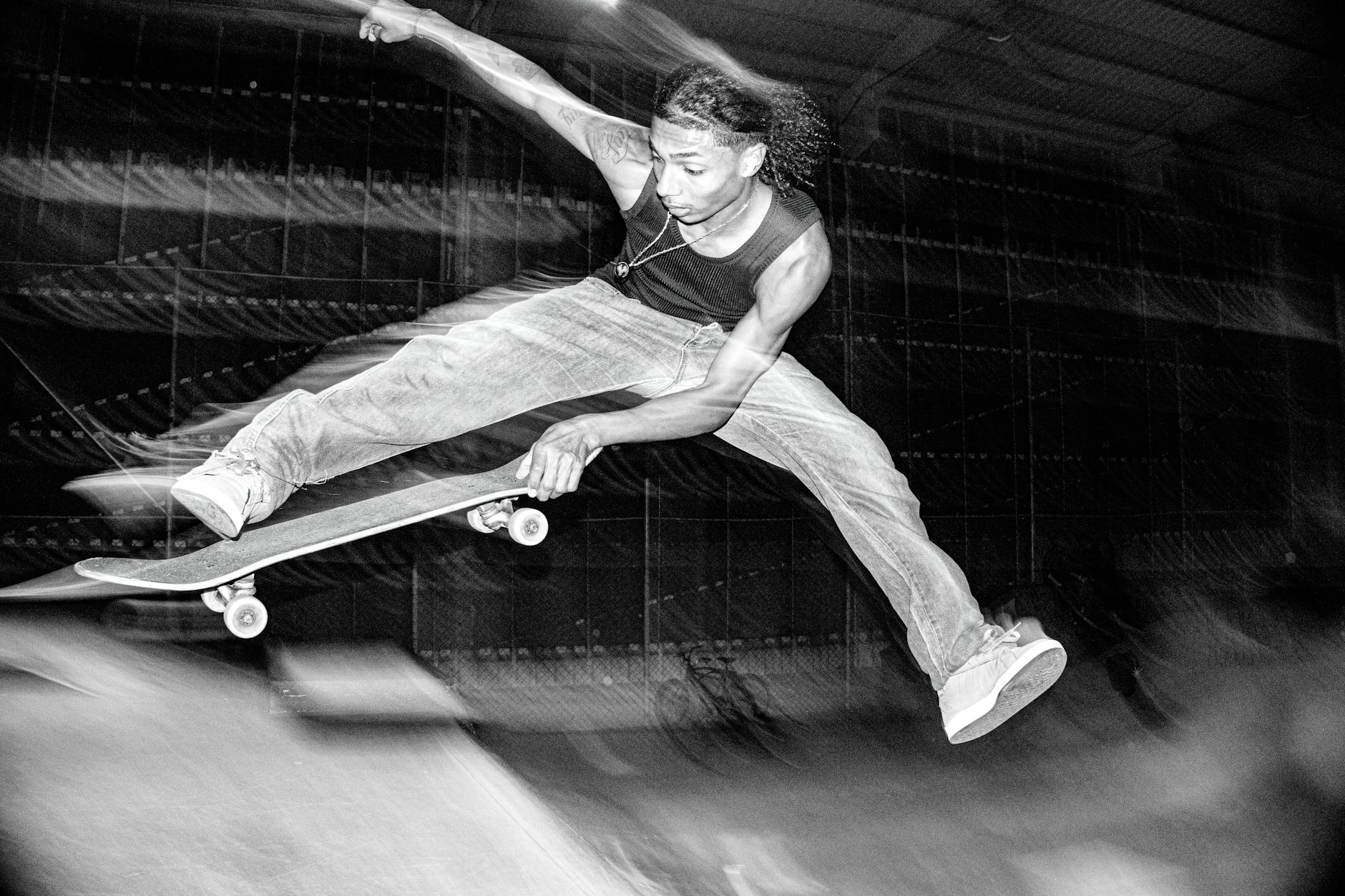
Skateboarding 101: A Beginner’s Guide to Getting Started, Essential Gear, and First Tricks
A Clear Step-by-Step Progression for Beginners
This guide outlines a 4-week progression designed for new skateboarders:
- Week 1: Focus on mastering your stance, balance, and rolling.
- Week 2: Learn the fundamentals of pushing, turning, and stopping.
- Week 3: Develop cruise rhythm and advanced balance drills.
- Week 4: Begin the flat-ground ollie progression.
Practice Structure: Aim for 4 weekly sessions, each lasting 15–25 minutes. A printable milestone checklist is available to track your progress.
Safety-First Gating: It is crucial to master pushing, turning, and stopping before attempting any tricks. Always wear a helmet, wrist guards, knee pads, and elbow pads. Practice exclusively on smooth, flat surfaces away from traffic.
E-E-A-T Data Integration: This approach ensures credible, incremental learning to sustain interest and significantly reduce the risk of injury.
First-Trick Cues: The Ollie
The foundational trick is the flat-ground ollie. Focus on:
- Knee Bend: A deep bend in your knees is essential.
- Level Shoulders: Keep your shoulders square to the board.
- Pop: Use your back foot to quickly snap the tail of the board off the ground.
- Front Foot Slide: Slide your front foot up the board towards the nose to level it out.
Aim for 10–15 quality attempts per week.
(Related Video Guide placeholder)
Essential Gear and Fit
In today’s skating and street-style culture, gear isn’t just about protection—it signals readiness and confidence. Here’s the essential setup to keep you safe, comfortable, and rolling smoothly.
Helmet
- Choose a model that meets safety standards (e.g., EN 1078).
- Ensure a snug chin strap for a secure fit.
- Select a shell size that properly fits your head for full protection.
Protective Padding
- Wrist guards: Opt for models with rigid supports to protect wrists and palms.
- Knee and elbow pads: These should stay in place without restricting movement. Ensure they cover the joints adequately and fit comfortably.
Footwear
- Flat-soled skate shoes with a grippy outsole are crucial for board feel and traction.
- Laces should be tied securely and inspected before each session to prevent snagging.
Board Setup
- Trucks: Tighten them enough to allow stable turning, but not so much that they impede balance.
- Wheels: Select wheels appropriate for the surfaces you typically ride.
Injury Prevention and Safe Practice
Riding confidently starts with smart preparation. A quick warm-up, careful choice of riding location, and solid fall techniques help you ride longer and avoid injuries. Use these guardrails to build safety into every session.
Warm-up Routine (5–10 minutes)
- Light Cardio: Jogging in place, jumping jacks, or a gentle ride on a flat surface to raise your heart rate and loosen up.
- Dynamic Stretching: Focus on ankle circles, knee circles, leg swings, and hip openers. Keep movements controlled and progressive; avoid deep stretches or fast spins before riding.
Surface and Environment
- Ideal Surfaces: Choose clean, dry, crack-free pavement. Clear any debris that could catch your wheels.
- Avoid: Wet, oily, gravelly, or loose surfaces that reduce traction and stability.
- Terrain: Stay away from steep drops or uneven terrain until your control improves. Gradually increase complexity as your skills develop.
Fall and Bail Technique
- Rolling is Key: If you start to fall, try to roll to the side rather than bracing with your hands.
- Absorb Impact: Keep knees bent and maintain a relaxed posture, engaging your core to protect joints.
- Avoid Arm Extension: Focus on rolling through the fall to protect wrists and elbows.
Progression Guardrails
- Never attempt new tricks at speed or on unfamiliar terrain.
- For first attempts, always stick to flat ground and calm, controlled environments. Progress gradually as your confidence and control improve.
Gear Maintenance and Inspection
Before you can focus on landing new tricks, your gear needs to be in top condition. A consistent maintenance routine keeps you safe, on-trend, and ready to ride.
Pre-Ride Checks
- Helmet: Inspect for cracks, chips, or any damage that could compromise protection.
- Pads: Check for wear, compression, or odor. Ensure the fit remains snug and comfortable.
- Bearings: Rotate wheels to confirm smooth rotation. Listen for grinding, roughness, or excessive play.
Replacement Policy
- Helmet Pads: Replace after a heavy impact or noticeable wear to maintain fit and protection.
- Helmet Shell: Retire the helmet after a significant hit or after 3–5 years of use, depending on wear, exposure, and storage conditions.
Maintenance Routine
- Cleaning: Clean shoes and bearings regularly to remove dirt and grime.
- Laces: Inspect for fraying and replace as needed.
- Hardware: Ensure trucks stay aligned and all hardware is tightened to spec.
Quick Guidelines at a Glance
| What | When to Replace/Retire | Notes |
|---|---|---|
| Helmet Pads | After heavy impact or notable wear | Keep interior snug and protective |
| Helmet Shell | Retire after a significant hit or 3–5 years of use | Depends on wear and storage |
| Bearings/Shoes | Regular maintenance | Clean and inspect; replace as needed |
Drills, Common Mistakes, and Troubleshooting
| Item | Description | Actions / Fixes | Progress Metrics / Outcomes |
|---|---|---|---|
| Drills Scope | Balance and stance drills, pushing and stopping drills, and ollie progression on flat ground form the core practice plan. | Core practice plan focusing on balance and stance drills, pushing and stopping drills, and progressive ollie training on flat ground. | Establish baseline balance and stance; track improvements in stability during drills. |
| Common Mistakes and Fixes | Leaning back, not popping high enough, feet slipping, shoulders not square, landing with locked knees. | Lean forward, increase knee bend/timing, adjust stance width/laces, align eyes/shoulders, bend knees for absorption. | Monitor corrections across sessions: note improved balance, better pop height, secure footing, proper alignment, and softer landings; track reductions in slips and knee locking. |
| Progress Cues | Use wall support for balance, measure straight-line pushes by time/distance, track ollie height and consistency. | Start with wall support, gradually reduce; quantify improvement in pushes; record weekly ollie height and consistency. | Expected trajectory: increased balance, longer straight pushes, taller ollies, and more consistent landings over weeks. |
| Expected Outcomes | By Week 4, riders should feel more balanced, push smoothly, stop confidently, and perform controlled ollies. | Targeted outcomes: balance improvement, smooth pushing, confident stopping, and 4–6 controlled ollie attempts by Week 4. | Milestone: Week 4 criteria met, indicating progressed overall control and technique. |
Visuals vs. Text for Instruction
Pros: Visuals (photos/videos) provide clear cues for body position and timing, reducing misinterpretation. A mixed format with annotated images and short videos accelerates learning.
Cons: Text-only can offer precise sequences and troubleshooting tips. Producing high-quality visuals requires resources; supplement with reputable free video resources and printable checklists.
Leave a Reply