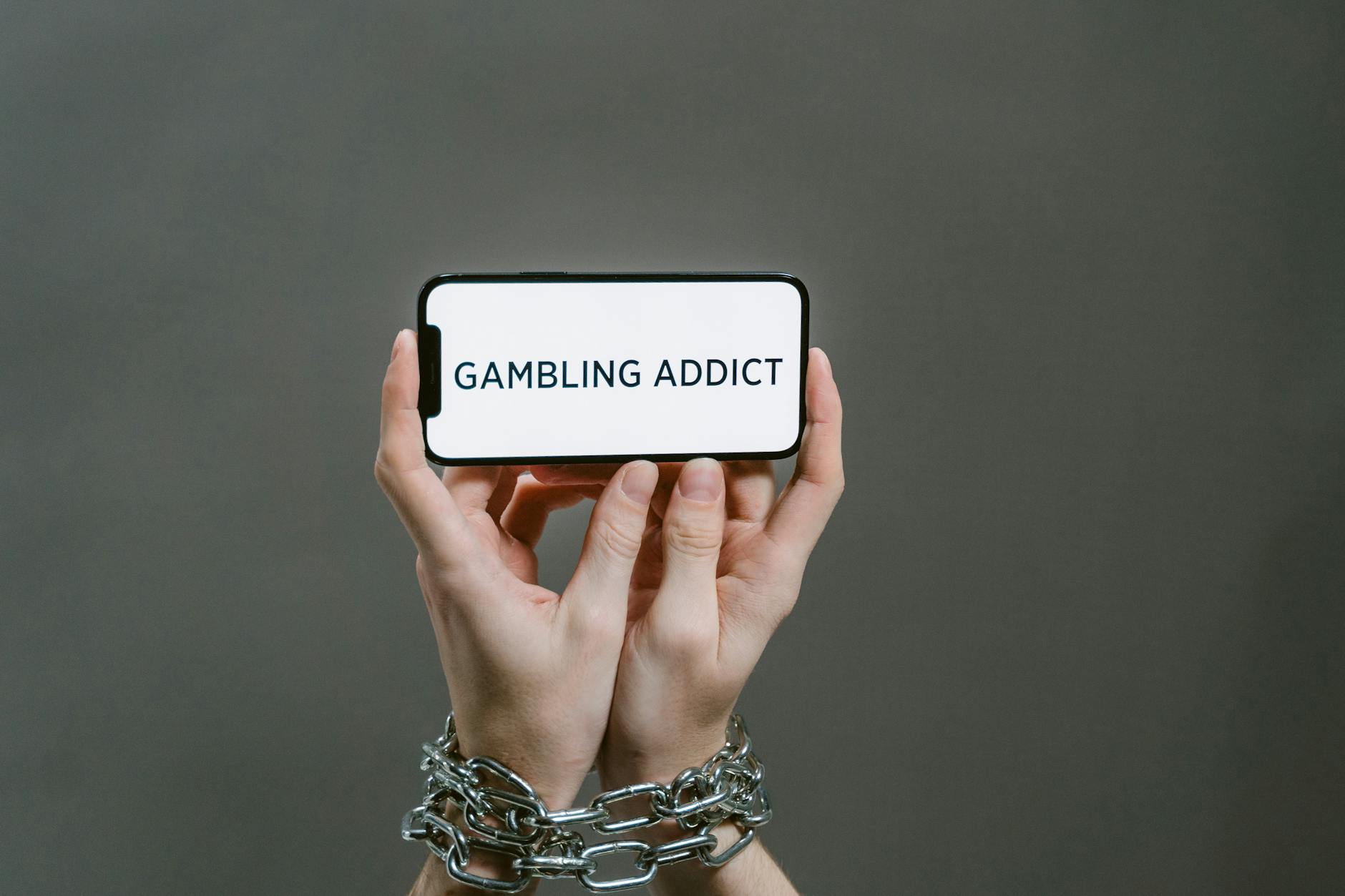
The Harms of Mobile Game Addiction: Effects, Risks, and Data-Driven Recovery Strategies
Mobile game addiction is a distinct subset of digital addiction, marked by compulsive play, loss of control, and continued use despite negative consequences. understanding its prevalence, mental health connections, and the user experience elements that drive it is crucial for developing effective, data-driven recovery strategies.
Prevalence and Scope: How Common Mobile Game Addiction Is Among Youth
Mobile gaming isn’t just a pastime; for some young people, it can pull at them in a way that’s hard to ignore. Here’s what the data show about how common this issue is and why it varies across different groups.
Statistics on Prevalence:
- 8.5% of children who play video games show signs of addiction. (Source: Iowa State University)
- About 50% of American teenagers feel addicted to their mobile devices. (Source: Common Sense Media)
Prevalence is not uniform. It varies with exposure, accessibility, and social context. Higher use generally associates with a greater risk of impairment.
- Exposure: More time spent with games increases the chance of problematic patterns developing.
- Accessibility: Easy entry, free-to-play models, and constant updates lower the barrier to play.
- Social context: Peer norms, competition, and social rewards can reinforce frequent play.
- Impairment risk: Higher use tends to correlate with greater difficulty in daily functioning, not just longer screen time.
Micro-engagement is a key driver. Mobile games often use tactics like push notifications and daily streaks to reinforce frequent play, making short sessions stretch into longer, more persistent engagement.
Mental Health Connections: Social Anxiety, Depression, and Loneliness Linked to Mobile Game Addiction
In the world of digital life, a compelling paradox emerges: games can soothe social pain while also feeding it. Research indicates that mobile game addiction is positively associated with social anxiety, depression, and loneliness among adolescents.
| Aspect | What the study finds | What this could mean |
|---|---|---|
| Social anxiety | Positive association with mobile game addiction | online gaming can feel safer than in-person socializing, but may reduce real-world interactions over time. |
| Depression | Positive association with mobile game addiction | Gaming can be a mood regulator, yet might delay seeking broader mental health support. |
| Loneliness | Positive association with mobile game addiction | Online communities provide connection, but can substitute for face-to-face contact. |
These associations suggest mobile gaming can both reflect and exacerbate underlying mental health challenges. In practical terms, gaming may mirror a teen’s struggles—turning to online spaces when real-world interactions feel hard—and, at the same time, amplify them by disrupting sleep, routines, and in-person connections. The result can become a cycle where gaming comfort deepens social withdrawal and mood difficulties. Understanding this dynamic helps families, educators, and clinicians support healthier gaming habits and overall well-being. Awareness is the first step toward balancing the comfort of play with the realities of mental health.
User Experience and Behavior: What Makes Mobile Games Especially Addictive
Mobile games aren’t accidents of design; they’re compact systems built to grab attention and turn it into habit. A ping, a tiny win, a friendly challenge—these elements weave together into a rhythm that keeps players coming back, often without realizing how deeply the loop has tightened.
Design Features That Maximize Engagement and Habit Formation:
- Constant notifications and prompts pull you back into play the moment you look away.
- Rapid rewards deliver quick, frequent wins that reinforce the act of tapping and continuing.
- Social competition—leaderboards, friends’ invites, and public scores—turns play into a visible, ongoing race.
| Design Feature | What it does | Behavior It Drives |
|---|---|---|
| Constant notifications | Interrupts your flow with small cues that pull you back to the game. | Frequent checks and re-entry into play. |
| Rapid rewards | Immediate, low-friction incentives after actions. | Short, repeated play sessions that can elongate over time. |
| Social competition | Leaderboards, challenges, and invites create public accountability. | Urge to keep up and outperform others. |
From Insights to Recovery: Evidence-Based Strategies to Disrupt Compulsive Loops
Effective recovery from mobile game addiction involves a multi-pronged approach, integrating self-monitoring, behavioral strategies, and leveraging technology.
Data-Driven Recovery Strategies for Individuals
Measurement is the first step. Track gaming time, mood, and sleep to understand patterns and make informed adjustments.
What to Track:
- Daily: Gaming time, Mood (0–10 scale), Sleep (hours and quality).
- Weekly: Calculate totals and averages, identify trends, and note insights into triggers and peace points.
Setting Targets and Pursuing Them:
- Set a clear reduction goal (e.g., reduce daily gaming time by 20–30% over 4 weeks).
- Monitor mood and sleep scores as you reduce gaming.
- Adjust goals weekly based on progress, aiming for small, manageable steps.
Baseline Measurement:
Document your average daily gaming hours, typical sleep duration, and average mood before starting any intervention.
Cognitive-Behavioral and Behavioral Strategies:
- Identify Triggers and Substitute Alternatives: For common triggers like boredom or stress, have ready substitutes like a short walk, breathing exercises, or brief journaling.
- Urge-Management Techniques: Employ “urge surfing” (acknowledging the urge as a passing wave), delay tactics (inserting a pause), or distraction (switching to a competing task).
- Replace the Cue–Routine–Reward Loop: Design offline routines and rewards that satisfy the need for engagement without gaming. For example, if finishing homework cues gaming, a routine of stretching followed by reading a book can be rewarding.
- Family or Peer Accountability Plan: Establish clear goals with one or two accountability partners, schedule regular check-ins, share progress, and agree on gentle prompts or consequences.
Technology-Assisted Recovery Tools:
- Leverage OS Screen-Time Trackers and App Timers: Utilize built-in features like iOS Screen Time or Android Digital Wellbeing to automatically log usage and set daily limits.
- Set Do Not Disturb Windows and Use App Blockers: Schedule focus periods to mute nonessential alerts and limit access to distracting apps.
- Introduce a Non-Screen Wind-Down Period: Reserve the last 30–60 minutes before bedtime for non-screen activities to improve sleep quality.
Family, School, and Peer Support:
Healthy digital habits are reinforced through a supportive ecosystem.
- Family: Draft clear agreements on gaming windows, include device-free meals, and schedule weekly progress reviews.
- School: Offer digital well-being education, provide support structures like counselors, and coordinate with families.
- Peers: Set up buddy systems, encourage alternative social activities, and model positive norms.
When to Seek Professional Help
When online behaviors lead to real-life trouble, it’s time to act early. Seek professional help if:
- Persistent impairment in functioning, mood disturbance, or withdrawal symptoms last longer than two weeks.
- Gaming behavior disrupts sleep, academics, or family relationships despite self-help strategies.
Reaching out is a sign of strength, and help is available.
Tools and Metrics: A Practical Recovery Plan Summary
| Tool / Metric | Description | Key Actions | Targets / Guidelines | Tracking & Review |
|---|---|---|---|---|
| Self-monitoring and time logging | Track daily gaming time, mood, sleep; aim for a 20–30% reduction over 4 weeks; review trends weekly. | Log daily gaming duration, record mood indicators, record sleep quality/duration. | 20–30% reduction in gaming time over 4 weeks; weekly trend reviews. | Weekly review of logs; adjust targets if needed. |
| Blockers and time limits | Enable per-application or time-of-day limits; specify study hours and 1-hour wind-down before bed. | Set per-app/time limits, define study hours (e.g., 9am–4pm), enforce 1-hour wind-down before bed. | Study hours defined; 1-hour wind-down; app limits enabled. | Daily checks; adjust limits; override options if necessary. |
| CBT-based journaling and urge surfing | Record urges on a 0–10 scale; delay action for at least 5 minutes; replace with offline activities; assess success rate. | Log urge levels (0–10), practice urge surfing by delaying action for 5+ minutes, replace with offline activities. | Urge scale used; 5-min delay; offline replacements; track success rate. | Weekly assessment of success rate and adjustments. |
| Family accountability plan | Establish shared calendars, device-free meals, and weekly check-ins; escalate noncompliance when needed. | Set up shared calendar for family commitments, institute device-free meals, schedule weekly check-ins. | Shared calendars; device-free meals; weekly check-ins; escalation process. | Monthly or weekly reviews; adjust as needed. |
| Sleep hygiene integration | Avoid gaming 1 hour before bed; use consistent bedtimes and wake times to improve sleep quality. | Avoid gaming within 1 hour of bedtime, maintain consistent bedtimes and wake times. | 1-hour pre-bedtime gaming ban; regular sleep schedule. | Sleep quality tracking; weekly review of schedule adherence. |
| Professional support as needed | Schedule evaluation if impairment persists beyond self-help efforts. | Assess for impairment persistence, schedule professional evaluation or therapy if needed. | Trigger criteria for professional support. | Documentation of impairment duration; referral steps. |
Practical Considerations: Pros and Cons of Recovery Approaches
Self-Monitoring & Time Logging
Pros: Low cost, builds autonomy, measurable reductions in usage, targets underlying thought patterns and coping skills.
Cons: High relapse risk without support, requires strong intrinsic motivation.
Blockers and Time Limits
Pros: Structured support within current routines.
Cons: Can be bypassed or resented if overly restrictive.
CBT-Based Strategies & Urge Surfing
Pros: Builds autonomy, targets underlying thought patterns and coping skills.
Cons: Requires practice and self-awareness; effectiveness can vary.
Family Accountability Plan
Pros: Supportive environment and accountability.
Cons: Potential for family conflict or privacy concerns, depends on buy-in.
Technology-Assisted Tools
Pros: Automated tracking and limits, structured support.
Cons: Variable access and cost, may require some technical proficiency.
School and Peer Support
Pros: Social reinforcement, positive norms.
Cons: Uneven implementation across districts, requires resources.
Professional Support
Pros: Tailored strategies, expert guidance.
Cons: Variable access and cost, may require trained professionals.
Leave a Reply