How Climate Change Is Increasing Iceberg Calving and Its Impacts
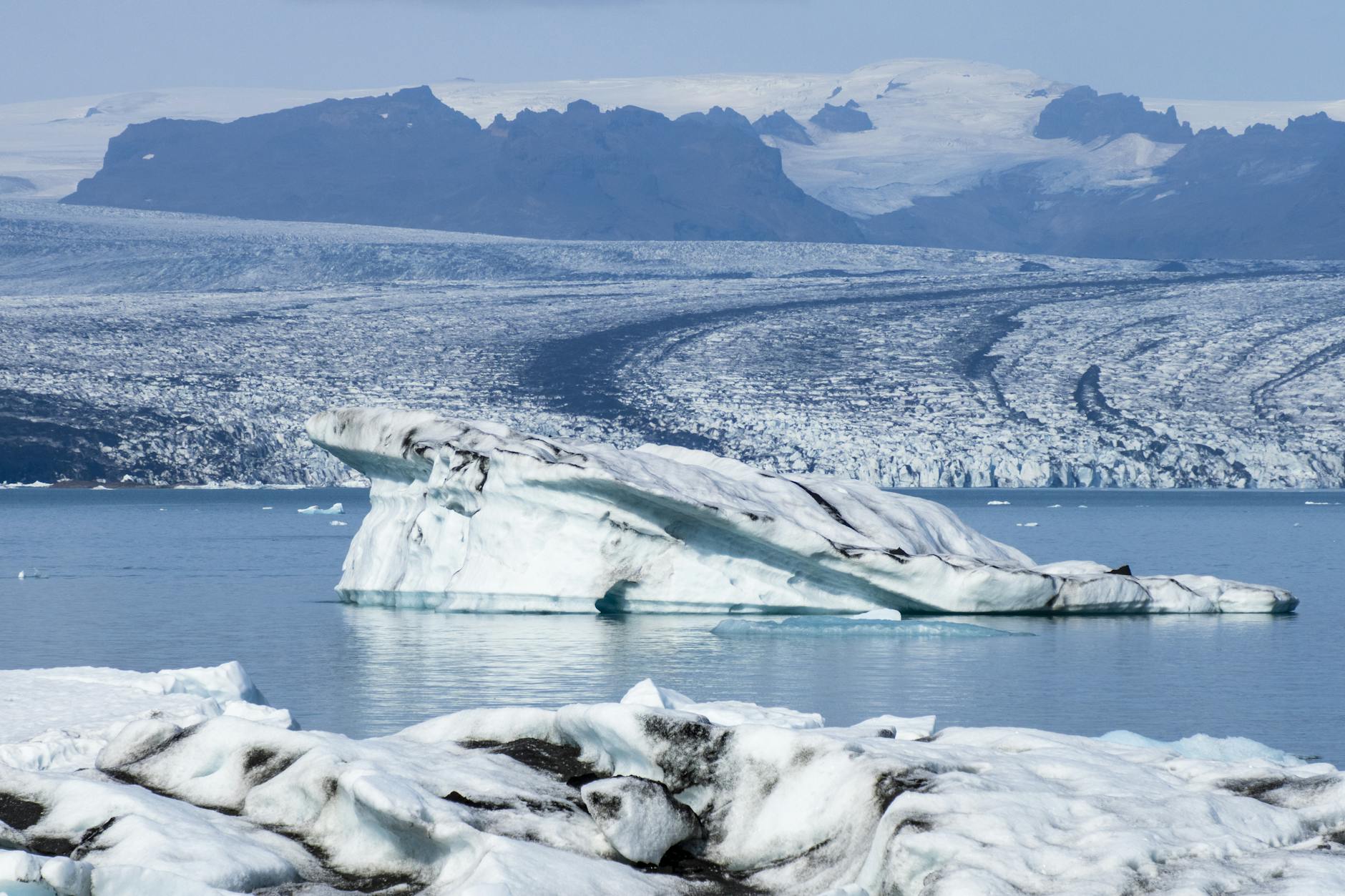
Arctic glaciers calve up to 15,000 icebergs annually, with about 500 drifting south of the 48th parallel. While calving is a natural process, it is accelerating as the climate warms and freshwater input into oceans rises. Geological history reveals periods of intense calving during rapid transitions from ice ages to interglacial periods. This increasing calving in key regions poses greater risks to shipping routes and coastal systems.
The Calving Mechanism in a Warming World: Evidence and Geological Context
Quantitative Calving Trends and Regional Distribution
Calving events serve as a visible, data-driven indicator of polar ice behavior in a warming climate. The latest figures detail not only the volume of ice breaking away but also its travel patterns and timing. Approximately 15,000 icebergs calve from Arctic glaciers each year, with around 500 observed south of 48°N, demonstrating significant cross-latitudinal movement. Major calving sources include greenland outlet glaciers and Antarctic ice shelves, with warmer months seeing more frequent events. Over the past few decades, calving frequency has increased, correlating directly with rising regional temperatures and ocean heat content. This translates to increased ice-driven ocean movement, particularly during warmer seasons, providing a clear climate signal about reshaping polar ice dynamics.
Freshwater Flux, Ocean Stratification, and Circulation
The subtle influence of freshwater is reshaping climate dynamics. As ice melts and runoff enters polar seas, surface salinity decreases, a small change that can significantly alter ocean behavior—affecting heat storage and global circulation. Reduced surface salinity leads to a more buoyant and stable upper ocean layer, strengthening stratification and weakening vertical mixing in polar seas. This increased stratification can impact the density-driven components of the Atlantic Meridional Overturning Circulation (AMOC). A less dense surface layer can slow deep water formation, potentially altering regional heat transport. These changes have cascading effects on sea ice formation and melt, ocean-atmosphere heat exchange, and coastal circulation patterns, impacting weather, habitats, and coastal communities.
| Process | Impact |
|---|---|
| Melting icebergs and runoff | Lower surface salinity; stronger stratification; weaker vertical mixing |
| Freshwater impact on AMOC density-driven component | Possible slowdown of deep water formation; changes in regional heat transport |
| Resulting stratification changes | Alters sea ice formation/melt, ocean heat exchange, and coastal circulation patterns |
Geological History: Ice Ages, Interglacials, and Calving Bursts
Earth’s climate history is characterized by rapid transitions between icy ice-age conditions and warm interglacials, often accompanied by significant iceberg calving events. Paleoclimate records (from ice cores, marine sediments, and isotopic data) reveal two key patterns: rapid transitions between ice ages and interglacials, and subsequent bursts of calving. These periods demonstrate that climate can shift dramatically and quickly, driven by changes in greenhouse gases, orbital cycles, and ocean circulation. As temperatures rise and ice sheets destabilize, massive ice fragmentation occurs, releasing pulses of freshwater and increasing iceberg presence in downstream waters. Historically, calving rates respond to the climate state, amplifying during warmer periods. The forces driving the planet toward warmer regimes also enhance calving, influence sea-level rise, and alter ocean circulation, highlighting the potential for tipping points.
| Signals in the paleoclimate record linked to calving bursts | Implication for calving |
|---|---|
| Rapid temperature changes | Destabilizes ice shelves and glaciers, boosting calving flux |
| Freshwater pulses to oceans | Can weaken circulation and modify regional warming patterns, affecting calving dynamics |
| Increased ice-rafted debris in sediments | Evidence of large iceberg discharge events |
| Albedo feedbacks (ice loss) | Further accelerates retreat and sustains higher calving rates |
Lessons from deep time are critical for understanding today’s warming world. Accelerated warming may lead to more frequent or larger calving events, with significant implications for sea level, ocean circulation, and coastal ecosystems. The climate system can switch states rapidly, and calving is a climate-responsive process with the potential for tipping points when forcing changes are abrupt.
Impacts on Global Sea Level, Ocean Circulation, and Maritime Safety
| Impact Area | Key Mechanism / Description | Global & Operational Impacts |
|---|---|---|
| Sea Level | (1) Land-based ice calving contributes directly to sea level rise; (2) Calving from floating ice shelves accelerates land ice discharge, affecting future mass balance. | Direct sea level rise from land-terminating calving; floating-shelf calving mainly influences long-term sea level trends by accelerating land ice discharge. |
| Ocean Circulation | Freshwater input from calving and melt alters polar stratification, potentially impacting the Atlantic Meridional Overturning Circulation (AMOC) and associated heat transport. | Possible modulation of AMOC strength and heat transport due to changes in polar stratification and freshwater fluxes. |
| Maritime Safety | Thousands of icebergs calve annually (approx. 15,000), with about 500 drifting south of 48°N, creating persistent hazards for shipping lanes. | Iceberg hazards create persistent risks for shipping lanes; necessitates monitoring, routing adjustments, and risk mitigation strategies. |
Policy, Safety, and Research: Projections, Preparedness, and Practical Steps
Addressing these impacts requires a multi-faceted approach:
Pros
- Improved monitoring (satellites, the International Ice Patrol), early warning systems for ships, updated routing guidelines, and climate adaptation planning.
- Investment in glaciology research and oceanography improves predictive models of calving and its climate impacts.
Cons
- Costs of monitoring and safety programs, potential false alarms and routing disruptions, and the need for international coordination.
- Uncertainty in predicting exact calving events and their cascading effects on regional oceans and economies.
Leave a Reply