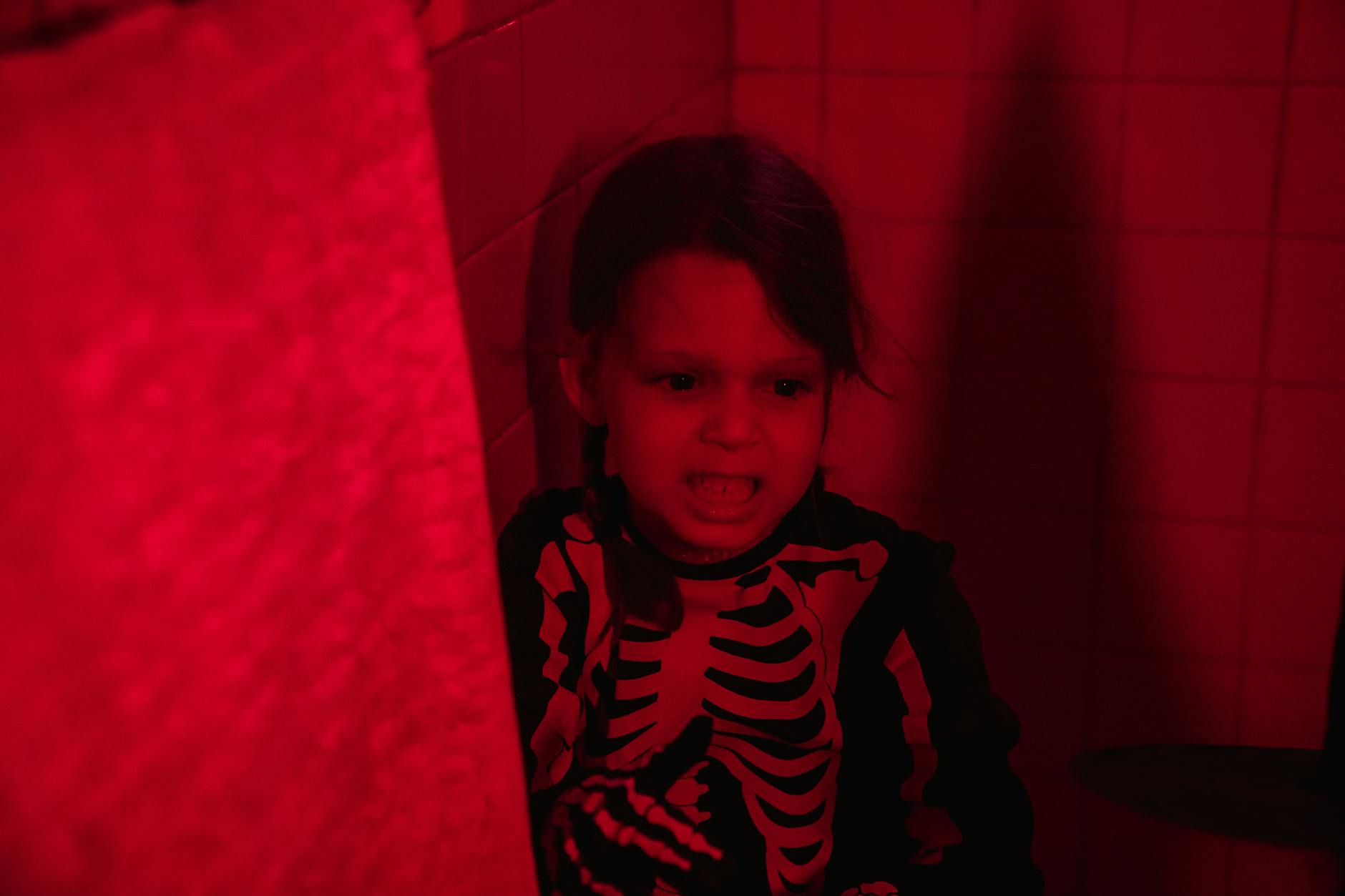
Hosting a Halloween Short Horror Film Night: A Complete Guide
Audience target: 6–12 guests (scalable to 20–25 with multiple viewing zones and staggered starts).
Screening window: 60–90 minutes; 3–6 shorts (5–12 min) plus host intro/outro to pace tension.
Curation: Crafting Your Perfect Scare Reel
In the scroll era, bite-sized halloween-horror-content-and-online-moderation-understanding-scary-brainrot-trends-and-preventing-admin-abuse/”>horror wins when mood, craft, and clarity collide. Use this playbook to assemble a one-night program that feels cohesive, professional, and primed for shareability.
Key Criteria for Selecting and Presenting Short Horror Shorts
| Criterion | What to Look For | Practical Implementation |
|---|---|---|
| Runtime Target | 4–12 minutes per short; total programming of 20–70 minutes, plus 5–10 minutes of host narration or interstitials | Aim for 4–6 films to maintain momentum; plan host segments to bridge each piece and frame the night. |
| Genre Variety | At least two subgenres (e.g., supernatural, psychological, suspense) to maintain pacing and interest | Curate a mix that shifts tone across the lineup; label subgenres in program notes to ultimate-guide-to-halloween-music-top-songs-of-all-time-best-playlists-and-a-spooky-halloween-mix/”>guide the audience. |
| Production Quality | Clear audio with minimal hiss; consistent framing; legible subtitles if non-native language; HD 720p+ preferred | Require technical specs and conduct a quick pre-screen to ensure baseline quality; prioritize submissions with clean sound and visuals. |
| Accessibility | Optional captions or transcripts; translations available for multilingual audiences | Encourage or require captioning; provide a simple method for accessing transcripts during interstitials or in program notes. |
| Rights Clarity | Explicit screening rights for a one-night home event; or licenses covering non-commercial public screenings; avoid unlicensed distribution | Request licensing documentation upfront; include a rights note in the program and confirm usage scope with the venue. |
| Content Suitability | Defined age guideline (e.g., PG-13 to R) and a brief content warning slide | Publish a clear advisory in advance and display a warning slide at the start of the program. |
Extra Tips for a Memorable Night:
- Sequence for dynamic pacing: Lead with a bold piece, mix light and dark tones, and finish with a memorable closer.
- Provide context: Use 5–10 minutes of host narration to set themes, highlight subgenres, and cue audience expectations.
- Deliver strong program notes: List each film’s subgenre, runtime, content warning, and licensing status.
- Verify accessibility: Ensure subtitling and translations are correct before showtime to keep the experience effortless for all attendees.
Licensing, Rights, and Rights-Free Sources
Want to turn a viral film night into a smooth, legal splash? There are three practical lanes to explore: public domain, Creative Commons, and direct distributor licenses. Each path has its own vibe, cost, and control. Here’s a clear, simple map to help you move fast without getting tangled in rights jargon.
| Option | What it is | Licensing Basics | Typical Costs | When to Use |
|---|---|---|---|---|
| Public Domain | Works released into the public domain (often older films or works clearly labeled as PD). | No license needed. You must confirm the work is genuinely in the public domain using a reputable database. | Typically free | Best for classic, clearly PD titles and zero-permission events (e.g., retro screening nights, community clubs). |
| Creative Commons | Shorts and clips released under CC licenses that allow certain uses. | Choose CC licenses that permit non-commercial, live screenings. Read the exact license text for attribution, adaptation, and any commercial-use restrictions (e.g., NC, ND, SA terms). | Often free, but may require attribution or have other constraints; costs can arise if you exceed the license scope. | Great for non-profit, community, or educational screenings where the license aligns with your event’s scope. |
| Distributor Licenses | Licenses from the film’s distributor or rights holder for specific rights (one-night or streaming). | Terms depend on the creator, venue, and territory. You’ll typically obtain a one-night screening license or streaming-rights license with defined duration and use. | Roughly $0 to a few hundred dollars per title, depending on rights and location. | Useful when you want newer work, wider rights, or titles not available via PD/CC routes. |
Where to Find Licensing Paths:
- Platform sources: FilmFreeway, Short of the Week, Festivalscope, and direct distributor portals can reveal licensing options and help you compare terms.
- Direct from rights holders: Some titles are licensed directly by the distributor or creator; check their site or contact their rights department.
Documentation to Collect:
- Signed license agreements or rights-clearance emails, with clear scope and dates.
- Printouts or PDFs of the license terms (scope, territory, duration, permitted uses, attribution requirements).
- A saved digital copy stored in a shared folder or your content library, with key contacts and renewal/expiration reminders.
Runtime Logistics and Flow
Short, tight, and memorable—these logistics are the backstage rhythm that helps every short land. Use this blueprint to guide pacing, energy, and audience expectations from first frame to the final moment.
- Recommended total screening time: 40–70 minutes of shorts, with a 5–10 minute host intro/outro or interstitials between blocks.
- Programming order: Begin with a low-tension short, place a mid-pace piece around the halfway point, finish with a strong twist or memorable closer; consider a brief post-show discussion or Q&A if guests are interested.
- Intermission planning: Optional 5-minute intermission after the second short block to reset lighting and audio, and reset expectations for the finale.
- Pacing considerations: Avoid clustering very intense shorts back-to-back; alternate with atmospheric or suspenseful pieces to manage audience fatigue.
Tip: Rehearse the transitions and host interludes so mood shifts feel natural rather than abrupt, keeping the energy cohesive from start to finish.
Equipment, Setup, and Atmosphere
Creating the right environment is crucial for immersion. Consider these pros and cons:
| Pros | Cons |
|---|---|
| A dedicated projector or large TV with accurate color and good black levels creates a theater-like feel. | Setup may require space and power planning. |
| External speakers (2.1 or 5.1) improve immersion and dialogue clarity. | Extra gear and possible cable management challenges. |
| Minimalist streaming device + wired HDMI provides reliable playback. | Potential Wi-Fi issues if streaming high-bitrate files or licenses. |
| Dim, adjustable lighting and blackout curtains dramatically enhance mood. | Requires careful placement to avoid glare on the screen. |
| Thematic décor and sound cues heighten immersion without distraction. | Budget and time for décor, lights, and scent/props. |
| Closed captions and accessible seating options improve inclusivity. | Some shorts may not come with accessible options, requiring alternative choices. |
Atmosphere Tips:
- Dim lighting (5–20 lux).
- Warm string lights.
- Optional fog or sound cues (used carefully).
- Blackout curtains.
- Calm pre-show music bed.
Budget, Timeline, and Setup Checklist
Planning your budget and timeline ensures a smooth execution. Here’s a framework:
| Item | Budget | Timeline | Formal Setup Checklist |
|---|---|---|---|
| Gear options and typical costs | Basic (Smart TV + built-in speakers) — $0-$0 Standard (HD projector + 2.1 speakers) — $120-$300 Premium (4K projector + 5.1 surround) — $600-$1,200 Pros/Cons: higher fidelity vs. cost and space requirements. |
N/A | Assess venue requirements (screen size, seating, ambient light). Define gear tier based on audience size and budget. Decide if gear will be rented or provided on-site. Verify power, inputs, and cabling; plan adapters if needed. Schedule a test playback prior to the event if possible. |
| Licensing budget guidance | Short licenses often range from $0 (public domain/CC with non-commercial use) to $50-$200 per title for one-night screening. Plan for 3-6 shorts, totaling $0-$1,000 depending on selection. | 14 days for initial curation 10 days to secure licenses 3 days for equipment check and test run Event day: 60-90 minutes of screening plus intro and wrap-up |
Pre-event planning for logistics, seating, and intro/wrap-up scripts. Coordinate with rights holders on licensing terms and delivery of materials. |
| Setup workflow | N/A | Day -14: shortlist 6-8 candidate shorts Day -10: contact rights holders and confirm licensing Day -3: rent or verify gear Event day: arrive 60 minutes early for test playback and seating arrangement Post-event: collect feedback |
Event day: run through equipment check and seating arrangements. Event day: ensure test playback and backup plan. |
Accessibility & Inclusivity
Ensure all guests can enjoy the night:
- Provide captions.
- Announce content warnings clearly.
- Offer seating accommodations.
- Ensure clear sightlines for everyone.
Leave a Reply