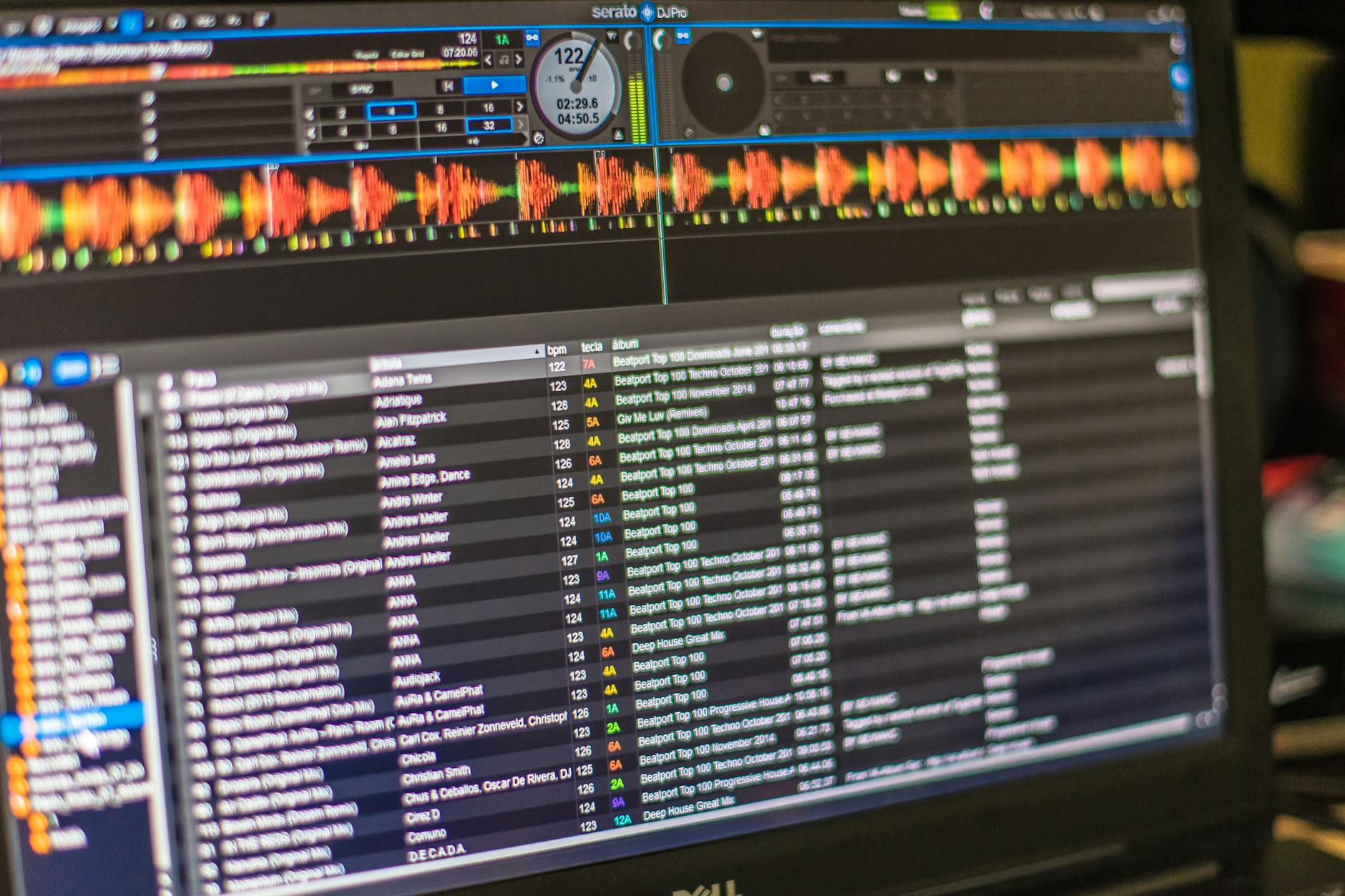
Understanding Music Visualizers: How to Read Credits and Metadata in Track Visualizations
In today’s digital music landscape, track visualizations are more than just pretty moving graphics; they are dynamic interfaces that can display crucial information about the music being played. Understanding how to read the credits and metadata embedded within these visualizations is essential for accurate attribution, fair monetization, and a deeper appreciation of the artists’ work. This guide will walk you through the key metadata fields, how to interpret on-screen credits, and best practices for maintaining data integrity across platforms.
The Importance of Key Metadata Fields
Accurate metadata is the backbone of proper attribution and monetization for music tracks. Several key identifiers and fields are critical for ensuring that artists, songwriters, and other contributors are correctly credited and compensated.
Essential Identifiers:
- ISRC (International Standard Recording Code): A 12-character alphanumeric code (e.g., US-ABC-21-00007) that uniquely identifies a specific audio recording. It is crucial for cross-platform attribution and royalty reporting for each individual track.
- ISWC (International Standard Musical Work Code): A 12-character code (e.g., T-123.456.789-0) that identifies the underlying musical work (the composition). This is essential for songwriter royalties and linking all performances and versions of a song.
- UPC (Universal Product Code): A 12-digit number (e.g., 012345678905) used for the release (album, EP, single collection). It links all tracks within a specific release for reporting and commercial purposes.
Core Track Metadata:
- Title: The official name of the track.
- Artist(s): Main artist and any featuring artists.
- Album/Release Title: The name of the collection the track belongs to.
- Release Date: When the track or album was officially released.
- Duration: The length of the track.
- Genre: The musical category of the track.
- Language: The primary language of the lyrics or vocal content.
- Recording Label: The company that released the recording.
- Territory Restrictions: Any geographical limitations on distribution or playback.
Contributor Credits:
These specify the roles of individuals involved in the track’s creation:
- Composer
- Lyricist
- Publisher
- Rights Holder
- Producer
- Mix Engineer
- Mastering Engineer
- Arrangement
Maintaining consistency in how these roles are named and attributed across all platforms is vital to prevent misattribution and ensure proper royalty splits.
Artist Naming Consistency:
It is imperative to use canonical (official) artist names and map any aliases or variations to a single, authoritative form. This prevents confusion, avoids split royalties, and ensures that an artist’s complete catalog is recognized.
Example of Comprehensive Metadata:
For a track like “City Lights” by Nova Daze feat. Luna, comprehensive metadata would include:
- ISRC: US-ABC-21-00001
- ISWC: T-123.456.789-0
- Album UPC: 012345678905
- Credits: Producer Nova Daze; Featuring Luna; Composers Nova Daze, Luna; Publisher Nova Tunes; Rights Holder Nova Tunes LLC.
Why Accurate Credits Matter
Accurate credits serve as an anchor for trust and integrity in the music industry. They directly support fair monetization and significantly reduce disputes over revenue share. Furthermore, in a context where music is often shared and experienced in group settings, clear and accurate credits in visualizers help audiences understand and appreciate the collaborative nature of music creation.
How to Read Credits in Track Visualizers: A Practical Workflow
Visualizers can offer a dynamic way to display credits. Here’s a step-by-step workflow to effectively read and verify them:
Step 1: Locate and Observe the Credits Display
Identify where credits appear in the visualizer. This might be an overlay, a dedicated timeline, or segments that change as the track progresses. Note when names and roles appear and disappear.
Step 2: Prioritize Primary Credits
Start by noting the main artist, featured artists, producer, and engineer. Pay attention to the specific role naming conventions used by the platform (e.g., “Producer,” “Mix Engineer,” “Engineer”).
Step 3: Cross-Check with Master Metadata
Compare the on-screen credits with your definitive metadata. Look for consistency in names, roles, and spellings. Any discrepancies can lead to misattribution.
Step 4: Utilize Accompanying Information
If credits are truncated or split across different screens or segments, use any available “credits” panel or metadata export from the distributor to view the complete list of contributors.
Step 5: Verify Key Identifiers (ISRC & ISWC)
Ensure that the track’s ISRC and the work’s ISWC are present in the backend metadata. These identifiers are crucial for platforms to correctly attribute streams and royalties, even if on-screen credits are simplified.
Step 6: Resolve Discrepancies and Standardize
Address any inconsistencies, such as variations in terms like “feat.” vs. “featuring,” or missing roles. Implement canonicalized naming and update the metadata across all platforms through your distributor or metadata provider.
Step 7: Maintain a Living Credits Log
Keep an up-to-date log that maps on-screen names and roles to your canonical credit definitions. This living document ensures consistency for future releases and across new platforms and visualizers.
Deep Dive: ISRC, ISWC, and UPC Explained
These three codes are fundamental to how music is discovered, credited, and paid out in the streaming era.
1. ISRC: The Recording’s Fingerprint
Each unique recording must have its own ISRC. When distributing reissues, reusing the same ISRC is recommended to maintain attribution and reporting integrity across different releases.
2. ISWC: The Composition’s Identity
The ISWC identifies the musical work itself, regardless of how many times it’s performed or recorded. It ensures that all songwriters and publishers associated with a work are correctly linked for royalty purposes.
3. UPC: The Release’s Barcode
The UPC identifies the entire release (album, EP, etc.). While individual tracks have unique ISRCs, they all share the same UPC when part of a single release. This distinction is key for aggregate reporting.
Platform-Agnostic Practice: The Master Metadata File
Before distribution, consolidate all ISRCs, ISWCs, and UPCs into a single master metadata file. This alignment minimizes cross-platform mismatches and facilitates accurate mapping of credits, royalties, and rights. Always ensure canonical artist names are consistent throughout this file.
Fixing Missing Credits
If a platform displays missing or incorrect credits, the solution is typically to re-upload your metadata with the corrected roles and canonical artist names, ensuring that the associated ISRCs, ISWCs, and UPCs remain the same.
Identifier Summary:
| Concept | What it Binds | Key Rule | Platform Implication |
|---|---|---|---|
| UPC | Release (album/EP) | One UPC per release; fixed across all platforms | Consistent release-level metadata and aggregation |
| ISRC | Recording / track | Use one ISRC per recording; repeat per track in the release; reuse on reissues | Accurate track-level attribution and playback reporting |
| ISWC | Musical work | Link to the work for all performances; ensure correct writer/publisher mapping | Consistent writer credits and royalty routing across performances |
Bottom Line: Plan and publish using a single master metadata file that combines UPC, ISRC, and ISWC. Keep this file updated as credits evolve. When in doubt, re-upload with precise roles and the same IDs to restore accuracy across platforms.
Cross-Platform Metadata Standards and Issue Resolution
Ensuring metadata consistency across various digital service providers (DSPs) is paramount. Here’s a breakdown of key elements and how to address common issues:
Metadata Element Details:
| Metadata Element | What it is / Purpose | Key Fields & Format | Cross-Platform Considerations | Fixes / Best Practices |
|---|---|---|---|---|
| ISRC | 12-character code identifying a specific recording; used by platforms to attribute streams and royalties. | Format: Country code + Registrant code + Year + Designation; unique per recording. | Critical for attribution and preventing misattribution or payout delays. Missing/duplicate ISRCs cause revenue leakage. | Generate and lock ISRCs at mastering. Maintain a centralized registry. Propagate to all feeds and platform uploads. Validate before release. |
| ISWC | 12-character work code linking musical works to publishers and songwriter royalties. | Format: T + hyphenated segments (e.g., T-XXX.XXX.XXX-X); unique per musical work. | Connects works to publishers and royalties; must be consistent to avoid royalty misallocation. | Obtain ISWC for each song. Maintain a canonical ISWC per work. Propagate to master metadata. Audit for duplicates. |
| UPC | 12-digit release code; ties tracks to the album/EP. | 12 digits; assigned to releases, not individual tracks. | Supports album-level reporting and discovery. Ensure the same UPC maps to all platforms for a given release. | Assign UPC to the release during planning. Propagate to all metadata feeds. Validate that each track references the correct UPC. |
| Credit fields | Specify roles (Producer, Engineer, Writer, etc.). | Fields per credit: Role, Person/Entity name (canonical), Credit type, Institution/Label. | Consistent role naming and person names are crucial to avoid split credits and royalty fragmentation. Standardize on a controlled vocabulary. | create a centralized credits registry with canonical names. Map all feeds to this registry. Validate completeness. Enforce consistent role terminology. |
| Artist naming conventions | Use canonical names and approved aliases; map variations to a single entry. | Fields: canonical_name, aliases/alternate_names, artist_id. | Prevents royalty fragmentation and mis-crediting. Reduces audience confusion. | Maintain an Artist Name Registry. Publish an authoritative alias map. Audit platform listings for consistency. |
| Platform alignment | Ensure master metadata file contains all necessary fields (ISRC, ISWC, UPC, credits). | Master feed should include: ISRC, ISWC, UPC, all canonical credits, canonical artist names, visual credits block. | Reduces platform edits and rejections due to mismatched fields. Ensures uniform data across services. | Use a single, formal distribution channel for the master feed. Implement strict schema validation. Lock the feed version prior to release. |
| Quality control workflow | Validate master sheet against platform exports to identify and fix discrepancies. | Tests include field presence, format validation, name canonicalization, credit completeness. | Early detection of data integrity issues across platforms. Reduces post-release corrections. | Develop an automated validation pipeline. Run dry-runs in staging. Perform a single, auditable pass to fix issues. Retain logs for compliance. |
| Visualizer-specific credits | Provide a dedicated ‘visual credits’ block for visualization features. | Visual Credits block content: e.g., Visual Credits: Producer: X; Mastering Engineer: Y; Writer/Composer: Z. | Helps visualization pipelines accurately reflect credits and avoid ambiguity. Supports consistent attribution in visuals. | Add a dedicated visual credits section in the master feed. Keep it aligned with the main credits registry. Validate presence whenever visual features fetch credits. |
Metadata Setup Templates and Repeatable Workflows
Establishing a clear, repeatable workflow for metadata entry and management is key to avoiding gaps and ensuring accuracy for future releases.
Workflow Options:
- Manual metadata entry: Offers precise control and context-aware crediting but is time-consuming and prone to human error, making it difficult to scale.
- Automated/Distributor-driven ingestion: Scalable and consistent across platforms but carries the risk of mis-mapping if source data is incomplete or inconsistent.
Recommended Workflow: Master Metadata Sheet
Maintain a comprehensive Master Metadata Sheet (CSV/JSON) that includes essential fields. A suggested structure includes:
- Track_Title
- Artist_Main
- Artist_Featured
- ISRC
- ISWC
- UPC
- Release_Date
- Duration
- Genre
- Language
- Label
- Rights_Holder
- Composer
- Lyricist
- Publisher
- Producer
- Mix_Engineer
- Mastering_Engineer
- Arrangement
- Credits_Notes (for additional context)
Sample Row for a Hypothetical Release:
Track_Title=City Lights; Artist_Main=Nova Daze; Artist_Featured=Luna; ISRC=US-ABC-21-00001; ISWC=T-123.456.789-0; UPC=012345678905; Release_Date=2025-11-01; Duration=3:45; Genre=Electronic; Language=English; Label=Nova Tunes; Rights_Holder=Nova Tunes LLC; Composer=Nova Daze; Lyricist=Nova Daze; Publisher=Nova Tunes; Producer=Nova Daze; Mix_Engineer=Alex Reed; Mastering_Engineer=Juno Park; Arrangement=Nova Daze; Credits_Notes=Featuring Luna
Quality Control Checklist:
- All three identifiers present (ISRC/ISWC/UPC).
- Names match canonical artist records.
- Roles are complete and non-duplicative.
- Credits align with visualizer overlays (if applicable).
- Data exported to distributor in required schema (CSV/JSON) with correct encoding (UTF-8).
Practical Tip: Canonical Artist Dictionary
Create and maintain a living “canonical artist dictionary” that maps every alias to a single preferred form (e.g., “Luna” vs. “Luna (feat.)” vs. “Luna ft Nova”). This dictionary should be updated with every release to preserve consistency across platforms and for future visualizations.
By diligently managing metadata and adhering to these best practices, creators and distributors can ensure accurate crediting, fair compensation, and a more transparent music ecosystem for everyone.
Leave a Reply