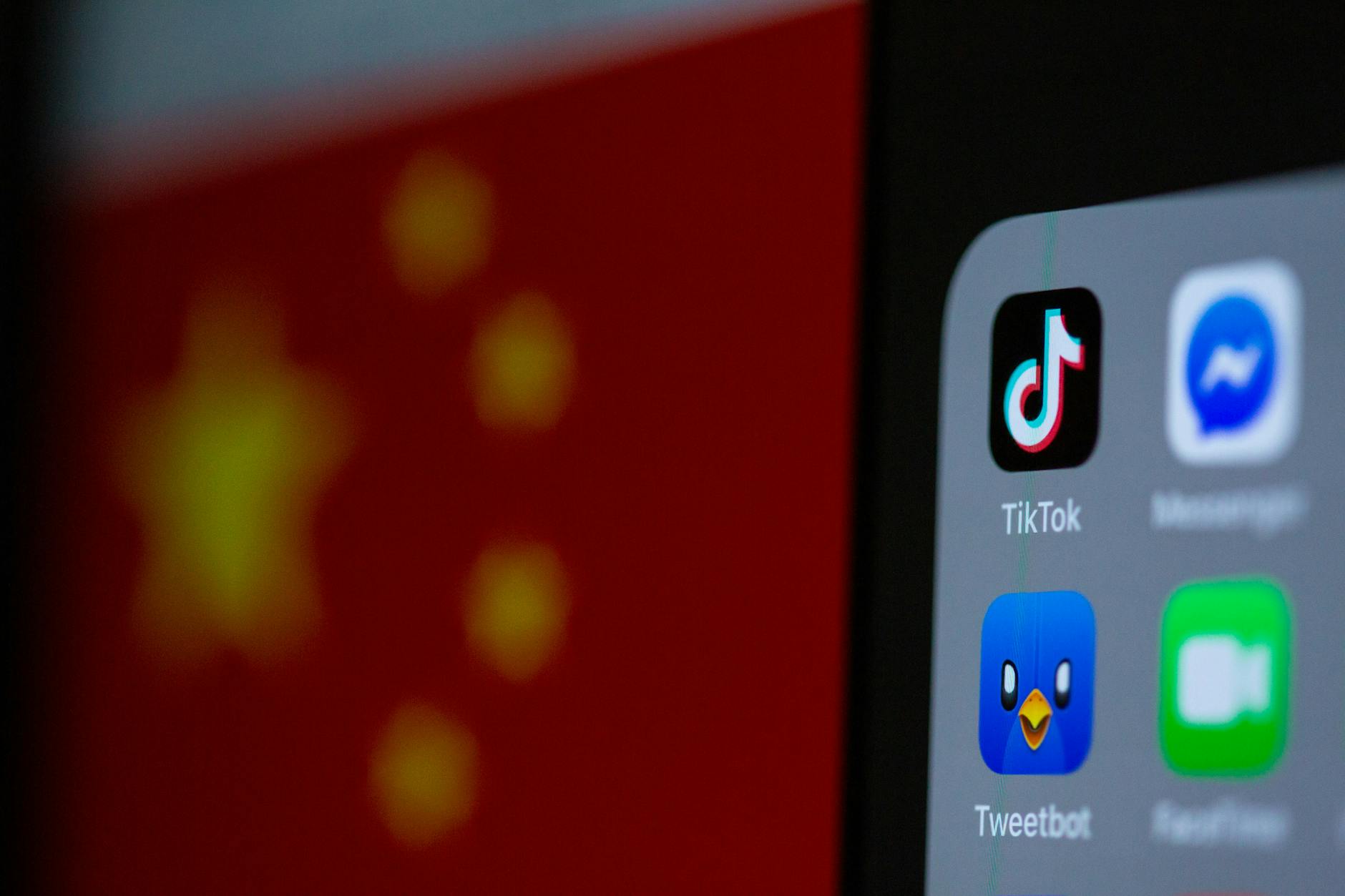
TikTok Ban: Global Status, Legal Challenges, and Its Impact on Creators, Advertisers, and Users
The landscape surrounding tiktok continues to evolve rapidly, with various nations grappling with its implications for data privacy, national security, and its profound impact on a global digital ecosystem. This article explores the current global status of TikTok bans and restrictions, delves into the complex legal challenges, and examines the multifaceted effects on the platform’s diverse user base.
Executive Summary: TikTok Ban — Global Status, Legal Landscape, and Stakeholder Impacts
India has maintained a nationwide ban since 2020, citing data privacy and national security concerns. In the United States, while no nationwide ban is in effect as of mid-2024, numerous bills have been proposed, and several states restrict the app on government devices, indicating significant regulatory uncertainty. European regulators are actively scrutinizing TikTok under GDPR, investigating data transfers and age-appropriate content. ByteDance has implemented structural reforms, such as Project Texas, to address U.S. security concerns by isolating U.S. user data. Globally, TikTok’s over 1 billion monthly active users make these regulatory actions critical, impacting data flow, localization, and cross-border policies for creators, advertisers, and users alike.
Global Status by Region
North America and Europe
TikTok’s fate is not decided by a single rule but by an intricate web of policies. As of mid-2024, there’s no nationwide ban in North America or Europe, yet lawmakers and regulators are intensifying their scrutiny. Here’s a practical overview for brands and creators.
United States
While no nationwide ban exists as of mid-2024, Congress has introduced multiple bills aimed at restricting or potentially banning TikTok, signaling a high policy-readiness risk for the platform. Several states have also barred TikTok on government devices, heightening the urgency for brands to monitor policy developments and prepare risk mitigation strategies. These policy dynamics can affect app access, data sharing expectations, and advertiser policies, necessitating adaptability, diversified distribution channels, and contingency plans.
European Union
The EU is actively auditing TikTok under GDPR and the Digital Services Act, focusing on data transfers to the United States and child safety protections. Possible outcomes include mandated data localization requirements or stricter access controls. This translates to higher compliance costs, tighter governance on data practices, and more rigorous advertiser and content controls.
United Kingdom
While not banned, regulatory scrutiny mirrors broader GDPR/privacy enforcement and cross-border data-transfer precautions. This means likely compliance cost increases and process changes for UK-based activities, including advertiser work and data handling. Brands should prioritize privacy-by-design in campaigns, verify data-transfer arrangements, and stay aligned with UK GDPR expectations.
Asia-Pacific and Middle East
Policy guardrails are tightening across the region, influencing access to apps like TikTok and Douyin and how brands reach audiences. This section details the lay of the land.
India
TikTok has been banned since 2020 due to security and privacy concerns. The ban remains in effect, with ongoing legal challenges influencing potential app return and ByteDance’s market strategy.
Southeast Asia
Regulators are prioritizing data privacy and platform accountability, with varying restrictions proposed or piloted across markets, prompting platforms to adapt risk profiles and compliance plans regionally.
Middle East and Gulf States
The regulatory posture is cautious, with tighter controls on government devices and public-sector access, while consumer use varies by country and enforcement level.
China-related Dynamics
Douyin operates separately in China, with tightly regulated cross-border data handling. These rules significantly influence ByteDance’s global strategy and app coordination.
Bottom line: Regulatory risk and data governance are as decisive as product features for video platforms in these markets.
Latin America and Africa
In Latin America and Africa, regulatory reviews of data privacy laws and platform operations are increasing, potentially leading to localized restrictions or additional compliance for TikTok and peers. While bans are not widespread, advertisers and creators must remain flexible, monitor policy shifts, invest in privacy-conscious practices, and consider diversifying platforms and monetization approaches.
Legal Challenges and Precedents
United States: Key Cases and Policy Debates
Policy debates around foreign tech platforms in the U.S. shape app operations, creator earnings, and advertiser campaign planning. Here’s where the tensions stood as of mid-2024.
RESTRICT Act and Related Bills: These aim to expand executive branch authority to review and ban foreign tech platforms on national security grounds. No nationwide ban has passed yet, but regulatory risk remains high, with actions possible via executive orders or agency rules.
Legal Actions and Regulatory Patchwork: Challenges to government-device bans and various regulatory actions have created a fragmented landscape of restrictions. Courts and regulators are issuing mixed decisions, leading to a state-by-state and agency-by-agency patchwork. This complicates campaigns and monetization strategies for advertisers, creators, and users who must navigate inconsistent rules.
ByteDance Project Texas: This data-management restructuring aims to keep U.S. user data onshore under U.S. governance, often through partnerships with U.S. firms like Oracle. Positioned as a concession to reduce regulatory fears, it could ease some pressure and reassure partners about data handling, though broader platform restrictions and future actions persist.
Takeaways in plain terms: A clear path toward a nationwide ban remains blocked, but the U.S. policy environment is poised to stay reactive and fragmented. ByteDance’s onshore-data strategy signals a willingness to negotiate specific security concerns. For creators and advertisers, prioritizing transparency, diversified distribution, and flexible monetization plans is crucial. Expect ongoing legal challenges and regulatory tweaks affecting ad targeting and data practices. Cross-border campaigns require extra attention to jurisdiction-specific restrictions.
European Union and Global Data Privacy
Data privacy is reshaping how apps operate. In Europe, tighter rules pressure TikTok’s data handling, with global effects for advertisers and partners.
GDPR Data Transfers: EU investigations into how data moves between the bloc and the U.S. could lead to sanctions or mandated data localization for TikTok if compliance gaps are found.
Digital Services Act (DSA): This expands platform duties for content safety and transparency, potentially increasing compliance costs and operational overhead for TikTok and advertisers.
Global Data Flow Coordination: Regulators worldwide are aligning on cross-border data transfer standards, influencing licensing, app-store access, and international partnerships. Companies may need to adjust data strategies to fit a more unified framework.
Bottom line: The EU’s privacy framework is reshaping how global platforms design and monetize services, testing their ability to meet stricter standards while maintaining broad market access.
India and Other Jurisdictions
India’s ban on a foreign-owned social platform serves as a significant signal to regulators worldwide. As court reviews continue, the outcome will influence how markets consider access for similar services.
India: A Pivotal Reference Point: India’s ban remains a key reference for how regulators view foreign-owned social platforms. Ongoing court battles shape future market access and platform rules.
What Other Jurisdictions Are Watching:
- Data Localization: Many jurisdictions explore keeping data within national borders for oversight and control.
- Age-Verification Enhancements: Authorities weigh tougher age checks for short-form video apps.
- Stronger Disclosures: There’s a growing emphasis on clearer disclosures about data practices, algorithms, and content moderation.
The India signal continues to shape how regions balance access, safety, and transparency in the short-form video space.
Comparative Analysis: Short-Form Video Platforms and Ban Impacts
| Aspect | TikTok | YouTube Shorts | Instagram Reels |
|---|---|---|---|
| Platform / Item Description | Global reach with over 1B monthly active users; subject to region-specific bans and ongoing regulatory scrutiny; monetization via Ads and Creator Fund; data handling tied to regulatory outcomes. | Broad accessibility, lower regulatory volatility in some markets, monetization through YouTube Partner Program, and share of ad revenue; data privacy posture aligns with Google’s ecosystem. | Strong integration with Meta ad infrastructure; generally stable regulatory exposure; monetization via Meta’s advertising products and creator monetization features. |
| Regulatory Risk Profile | TikTok faces higher cross-border regulatory risk in key markets (e.g., US, EU, India) compared to some regional rivals; ongoing investigations can affect launch timelines, data flows, and revenue certainty. | Relatively lower and more predictable regulatory risk. | Relatively lower and more predictable regulatory risk. |
| Advertiser Strategy Implications | A ban or restriction in major markets can shift ad spend toward Google and Meta platforms; cross-platform measurement requires harmonized attribution and brand-safety controls. | Beneficiary of shifts in ad spend from restricted platforms. | Beneficiary of shifts in ad spend from restricted platforms. |
Impact on Creators, Advertisers, and Users: Adaptation and Opportunities
Creators
Initial State: Access to a massive global audience and rapid virality.
Impact of Bans/Scrutiny: Regulatory risk, potential loss of monetization on restricted platforms, and a needed shift to alternative channels like YouTube Shorts and Instagram Reels, with different creator fund dynamics and audience behavior.
Adaptation & Opportunities: Diversify monetization streams (YouTube, Instagram, Twitch, newsletters, memberships, merch, courses), build an owned audience (email lists), repurpose and cross-post content, negotiate multi-platform brand partnerships, and plan for lean months with an emergency fund.
Advertisers
Initial State: Continued engagement with younger audiences on TikTok when available.
Impact of Bans/Scrutiny: Regulatory uncertainty, possible platform access restrictions, and the need to diversify budgets across Meta and Google ecosystems for stability and measurement consistency.
Adaptation & Opportunities: Map likely regulatory outcomes and set triggers for pausing campaigns or shifting budgets. Update creative guidelines, tighten influencer disclosures, and audit content. Accelerate tested campaigns on alternatives and allocate budgets to lower-risk channels. Ensure data collection and usage comply with laws, use privacy-respecting measurement partners, and rely on aggregated metrics. Craft messages that can travel across platforms and insist on contracts with compliance clauses. Build a rapid-response plan and track policy updates.
Users
Initial State: Ongoing entertainment, trends, and discovery.
Impact of Bans/Scrutiny: Ongoing privacy concerns, potential access limitations in certain regions, and variability in content moderation and safety policies across jurisdictions.
Adaptation & Opportunities: Tighten privacy settings, limit data collection and sharing, keep accounts and devices secure, and be mindful of shared content. Stay vigilant by keeping the app updated and periodically reviewing privacy settings.
TikTok Ban: Frequently Asked Questions
Is TikTok Banned in the United States or India?
TikTok is not banned nationwide in the United States but remains banned in India.
| Country | Current Status | Why |
|---|---|---|
| United States | Not banned nationwide | No federal law blocks TikTok. Restrictions exist on federal and some state devices, and ban/divestiture debates continue without passage. |
| India | Ban in place | Banned in 2020 along with other Chinese apps for security and data-privacy concerns. The ban remains in effect. |
What this means for creators and users: In the U.S., access is generally available, but policy changes keep the situation dynamic. In India, users have shifted to alternatives, and TikTok remains unavailable through official channels. This split illustrates how geopolitics, not just user interest, reshapes app trajectories, affecting creators, brands, and cultural discovery.
Which Countries Have Banned TikTok and Why?
TikTok has become a geopolitical signal. Here’s a summary of bans and restrictions:
| Country / Region | Status | Year | Why |
|---|---|---|---|
| India | Full nationwide ban | 2020 | Data privacy concerns, national security risks, perceived links to the Chinese government. |
| Pakistan | Temporary ban (initially) | 2020 | Concerns over “immoral” content and moderation; later lifted with moderation assurances. |
| United States (federal and many states) | Restrictions on government devices (not a nationwide consumer ban) | 2020s | National security and data privacy concerns; potential risk of data access by the Chinese government. |
| European Union institutions | Ban on official devices | 2023 | Security concerns and protection of personal data within EU networks. |
| United Kingdom | Ban on government devices | 2023 | Policy to reduce security risks on official devices and networks. |
Note: These actions reflect government policy as of the date of publication and can change. Consumer access to TikTok remains unrestricted in many regions outside official bans.
How Does a TikTok Ban Affect Creators’ Earnings and Opportunities?
A TikTok ban significantly impacts creators’ earnings and necessitates a pivot in opportunities. Here’s a breakdown:
| Monetization Channel | What a TikTok Ban Does | What Creators Can Do Instead |
|---|---|---|
| Creator Fund (payments per view) | Usually stops or becomes unreliable; earnings vanish. | Shift focus to other platforms (YouTube Partner Program, Instagram Reels Bonuses, etc.) and build cross-platform revenue streams. |
| Live gifts / coins during live streams | Disappears with the platform ban; immediate loss of income. | Develop live-audience monetization on alternatives (YouTube Live, Twitch, Instagram Live) and offer paid memberships or exclusive streams elsewhere. |
| Brand sponsorships tied to TikTok reach | Opportunities may shrink if brands can’t assess metrics or reach drops. | Negotiate multi-platform deals; demonstrate value with presence on YouTube, Instagram, Twitter/X, and a strong owned audience. |
| TikTok Shop / direct product sales tied to the platform | Traffic and sales decline or stop. | Use direct-to-consumer funnels (email lists, personal websites, other social shops) and cross-posted storefronts. |
| Audience growth and discovery | Growth slows or stalls; longer ramp to new audiences. | Proactively grow on additional platforms (YouTube Shorts, Instagram Reels, Snapchat Spotlight, Twitch) and convert followers into owned channels. |
Bottom line: A ban can decimate on-platform earnings and slow growth, forcing a strategic pivot. Creators who diversify, cross-pollinate audiences, and build owned revenue streams are best positioned to weather disruption and maintain opportunities.
What is Project Texas and How Does It Relate to ByteDance’s US Data Handling?
Project Texas is ByteDance’s plan to relocate TikTok’s U.S. user data into a U.S.-run, Oracle-hosted system with strict, U.S.-based oversight. This aims to limit cross-border access and increase regulatory transparency for American data.
- What is Project Texas? A ByteDance initiative creating a U.S.-centric data architecture for TikTok, using Oracle’s cloud and a U.S.-anchored governance framework.
- How it relates to US data handling: It’s the core mechanism to separate and protect U.S. user data from non-U.S. data, satisfying U.S. regulatory and security concerns by keeping data in a U.S.-controlled environment.
- Data involved and access: Primarily U.S. TikTok user data. ByteDance employees would have limited, controlled access; Oracle provides hosting; a U.S. governance layer oversees access.
- Checks and balances: Designed to add U.S.-anchored oversight and compliance checks, with final details subject to regulatory review.
Before Project Texas vs. With Project Texas:
| Aspect | Before Project Texas | With Project Texas |
|---|---|---|
| Data location | Mixed global storage | Primarily US Oracle cloud |
| Access | Broader ByteDance staff worldwide | More restricted, US-based governance |
| Oversight | ByteDance policies and internal controls | US-based oversight and compliance framework |
Bottom line: Project Texas reframes U.S. TikTok data storage and governance to address U.S. security and privacy concerns while enabling continued global operation.
Will the European Union Ban TikTok or Require Stricter Data Localization?
A full EU-wide ban on TikTok is unlikely in the near term. Stricter data localization and enhanced security requirements for handling EU user data are more plausible.
- What’s happening now: EU regulators are intensifying scrutiny under GDPR and on cross-border data transfers.
- Why localization is likeliest: Policymakers favor fixing data handling and security. Data localization would require EU user data to be stored and processed within the EU or under EU-approved controls, plus stricter audits.
- What this could mean for TikTok: Rearchitecting data flows, implementing stronger safeguards, undergoing audits, and increasing transparency. Ad targeting and features might be adjusted.
- What this means for users: Data stored closer to home with closer oversight of transfers outside the EU. Potential minor performance impacts might occur.
Timeline: Decisions are expected over the coming months to years from GDPR regulators, the European Parliament, and the European Commission. Concrete rules, not an outright ban, are the most probable near-term outcome.
| Policy Option | What it Does | Impact on Users | Likelihood in the near term |
|---|---|---|---|
| Full EU-wide ban | Prohibits TikTok on devices and blocks operations. | Access cut off in the bloc; major disruption. | Low. |
| Stricter data localization | EU user data stored/processed within the EU; enhanced oversight. | Potential changes to data flows and app behavior; possible minor performance impacts. | Moderate to high. |
| No new action beyond enforcement | Continue current rules with ongoing GDPR enforcement. | Business-as-usual for most users; concerns remain about data protection. | Possible in the short term. |
Are There Alternatives to TikTok for Short-Form Video Content?
Yes, several platforms host strong short-form ecosystems with distinct audiences, creator tools, and monetization paths. Here’s a map of notable alternatives:
| Platform | Why it Stands Out | Ideal For | Discovery / Algorithm | Monetization |
|---|---|---|---|---|
| YouTube Shorts | Massive reach and strong integration with YouTube’s ecosystem. | Creators seeking long-term discoverability and potential ads revenue. | Watch time and engagement drive recommendations; benefits from YouTube search. | Ads revenue via YouTube Partner Program; Shorts-specific funds/bonuses. |
| Instagram Reels | Seamless with existing follower base and visual storytelling. | Creators focused on lifestyle, fashion, and brands; influencers leveraging social proof. | Reels feed and Explore; strong social graph and cross-posting. | Monetization via creator programs, brand partnerships, and shopping integrations. |
| Snapchat Spotlight | Youthful, bold, fast-paced discovery. | Content that thrives on trend-driven, playful, ephemeral vibes. | Algorithm highlights fresh, engaging clips; community-driven discovery. | Spotlight creator program with monthly payouts. |
| Kwai / Likee / SnackVideo | Regional strength with a variety of effects and tools. | Creators exploring markets outside the US/Europe and tapping local trends. | Localized discovery algorithms reflecting cultural tastes. | Monetization programs and tipping/gifting in several regions. |
| Regional apps (e.g., Moj/Josh in India) | Dominant local audiences and trend cycles. | Creators targeting specific regional communities. | Region-specific discovery feeds and trends. | Local monetization programs and partnerships. |
Bottom line: Viable, thriving alternatives exist, each with unique virality and audiences. Choose platforms aligning with your content style, audience, and goals, then experiment smartly. Test 2 platforms, adapt clips, run a pilot, and iterate based on performance.
What Should Advertisers Consider When TikTok Is Under Regulatory Scrutiny?
When regulators step in, campaigns shouldn’t go dark. The core idea is simple: stay diversified, stay compliant, and stay ready to adapt. Here’s a practical playbook:
- Map likely regulatory outcomes (temporary restrictions, platform changes, or broader policy shifts) and set clear triggers for pausing campaigns or shifting budgets.
- Update creative guidelines, tighten influencer disclosures, and audit content to align with evolving rules.
- Don’t rely on a single platform. Accelerate tested campaigns on alternatives (YouTube, Instagram, Snapchat) and allocate budget to lower-risk channels.
- Ensure data collection and usage comply with laws, use privacy-respecting measurement partners, rely on aggregated metrics, and clarify data ownership.
- Craft messages that can travel across platforms and insist on contracts requiring compliance and clear post-campaign disclosures.
- Review termination rights, data return, and service level agreements in case regulatory actions affect access or performance on TikTok.
- Build a rapid-response plan with budget reallocation options, pause criteria, and ROI targets adjusted for risk.
- Have ready-to-use statements for clients and audiences, plus clear notes on platform changes.
- Track policy updates, regulator notices, and platform announcements to nimbly update plans.
Action Plan:
| Action | Owner / When |
|---|---|
| Audit ad tech stack for privacy and compliance | Marketing Ops — within 1 week |
| Run a diversified test plan across other platforms | Media Lead — next 2–4 weeks |
| Review influencer contracts and disclosures | Legal / Partnerships — ongoing |
| Draft crisis response templates | Comms — before next campaign cycle |
How Can Users Protect Their Data While Using TikTok?
Protect your data on TikTok by tightening privacy settings, limiting data collection, and keeping your account and device secure. Here’s a quick-start guide:
- Lock Down Privacy: Set your account to Private, limit who can comment/message, disable video downloads, and review who can view content in search results.
- Tame Data Sharing and Ads: Turn off ad personalization and reduce data sharing with third parties in Privacy settings.
- Fine-tune Permissions: Grant only essential device permissions (camera/microphone for posting, storage for saving). Revoke nonessential permissions (e.g., location) in phone settings.
- Boost Account Security: Use a strong, unique password and enable two-factor authentication (2FA). Turn on login alerts.
- Manage Connections: Review third-party apps and services connected to your TikTok account and revoke access for anything unnecessary.
- Be Mindful of What You Share: Avoid posting sensitive details (birthdates, addresses, live locations). Consider making experimental content private until ready.
- Stay Vigilant and Up to Date: Keep the app updated to patch security gaps, watch out for phishing prompts, and periodically review privacy settings (at least every few months).
| Area | What to Do | Notes |
|---|---|---|
| Account privacy | Private account; manage interactions | Public posts reach more people; private is safer. |
| Data sharing | Disable ad personalization; limit cross-app data sharing | Reduces how much you’re profiled. |
| Permissions | Grant only essential permissions | Keep location off unless necessary. |
| Security | Enable 2FA; monitor logins | Use an authenticator app if possible. |
| Connected apps | Review and revoke unwanted connections | Fewer third-party access points. |
Leave a Reply